Process of making frosted glass
Frosting refers to the process of adhering a certain size of glass glaze powder on the finished glass, and then baking it at a high temperature of 580~600℃ to melt the glass glaze coating on the surface of the glass, and showing a decoration method with a different color from the main body of the glass.
The glass glaze powder can be applied with a brush or a rubber roller. Through silk screen processing, the frosted surface can be obtained. The method is: on the surface of the glass product, a layer of pattern composed of a flux retardant is silk screened. After the printed pattern is air-dried, the frosting process is performed. Then, through high-temperature baking, the frosted surface without pattern is melted on the glass surface, and the frosted surface covered with the pattern cannot be melted on the glass surface due to the effect of the flux retardant where the pattern is printed. After baking, the transparent pattern is revealed through the semi-transparent frosted surface, forming a special decoration effect. Frosted screen printing flux inhibitor is composed of ferric oxide, talcum powder, clay, etc. It is ground with a ball mill to a fineness of 350 mesh and mixed with an adhesive before screen printing.
Process flow of making frosted glass: draft - screen making - printing glass etching ink - flushing - finished product
1. Draft: Use a computer to plan the required pattern. Small format can be output with a laser printer, and large format can be engraved on black instant stickers or output with a laser phototypesetter.
2. Screen making: Please use a 100-180 mesh polyester screen for the screen, preferably a monofilament polyester mesh, and use water-based photosensitive glue to make the plate.
3. Printing glass etching ink, before printing, it is necessary to remove the dirt and moisture on the surface of the glass, fully stir the frosting paste (i.e. screen printing ink), avoid using ironware, and it is recommended to use "bamboo and wood" products. When printing, it is necessary to scrape the screen twice, the purpose of which is to increase the ink material.
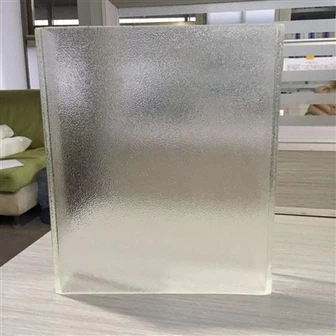
4. Rinse: Put the printed glass in a pool for three minutes or use a hose to rinse it with tap water. When the water on the glass dries, a snowflake-like pattern will appear. This kind of glass is very popular in shopping malls and is loved by consumers.
The above process can be used to make tea sets, handicrafts, gift mirrors, glass containers, etc.