Appreciation Of U-shaped Glass in Li Zijian Art Museum
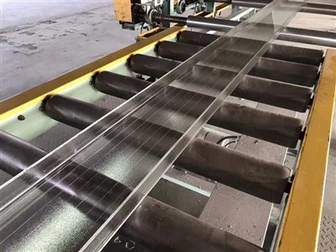
I. Architectural Overview and Positioning of U-profile Glass
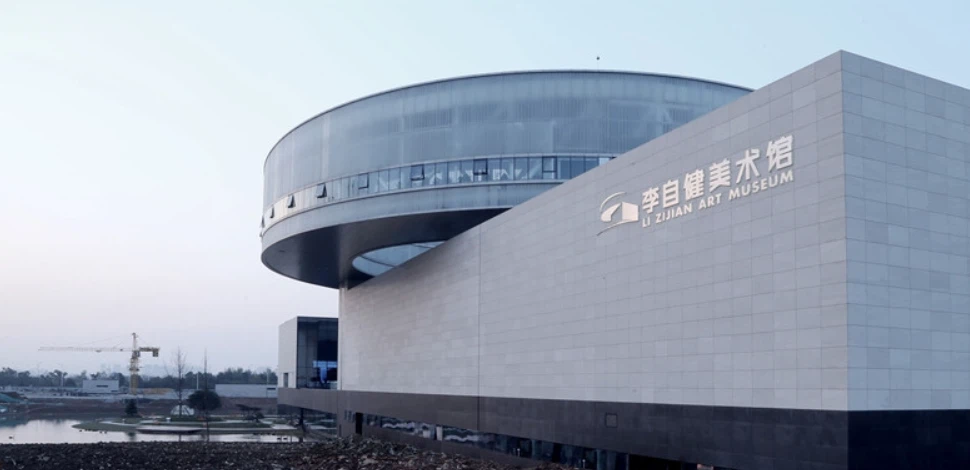
Li Zijian Art Museum is located in Yanghu Wetland, Changsha, Hunan Province. Designed by the Local Studio of Hunan University Architectural Design and Research Institute led by Wei Chunyu, it was completed between 2014 and 2016 with a construction area of 25,050 square meters. It holds the Guinness World Record as the largest personal art museum globally.
U-profile glass is explicitly included in the material list, forming the core material system of the building together with limestone, granite, travertine and steel.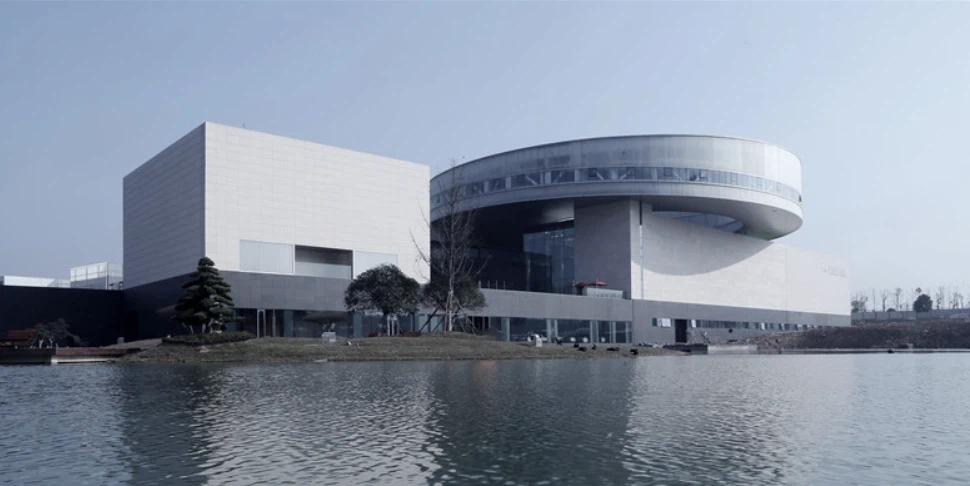
II. Application Locations and Methods of U-profile Glass
1. Facade Application: Artistic Expression of the Interplay of Solidity and Translucency
U-profile glass is mainly used for the facades of the art museum's public spaces, particularly:
East and West Corridor Facades: Large areas of translucent U-profile glass replace solid walls, blurring the boundary between interior and exterior, and creating an "intermediate state between existence and non-existence".
Entrance Hall Area: Combined with glass curtain walls, it forms a lightweight and transparent entrance space, enhancing the "translucent" architectural character.
Side Courtyard Enclosure: Serving as a buffer zone transitioning between interior and exterior, it allows visitors to perceive the external environment while maintaining spatial privacy.
2. Space Division: Balance Between Fluidity and Separation
U-profile glass undertakes the function of space division inside the building:
Separation Between Exhibition Halls and Public Areas: While maintaining visual transparency, it provides appropriate spatial definition, forming a spatial experience of "separation without isolation".
Circular Corridor Enclosure: The corridor surrounding the central atrium adopts U-profile glass, introducing natural light, softening spatial boundaries and enhancing orientation.
III. How the Performance Advantages of U-profile Glass Are Reflected in the Art Museum
1. Light and Shadow Magic: The Soul of the Artistic Space
The unique optical properties of the U-shaped cross-section are fully exerted in the art museum:
"Transparent but Non-Perspective": High light transmittance (over 85%) ensures sufficient lighting in the exhibition halls, while protecting the privacy of exhibits and avoiding direct glare.
Dynamic Light and Shadow Effects: The U-shaped cross-section causes light to diffuse, forming flowing light and shadow on the floors and walls, like "brushstrokes of time". It echoes the giant sundial-like circular ring in the museum, strengthening the theme of time.
Soft and Glare-Free: It avoids strong light reflection that may occur with ordinary glass curtain walls, protecting artworks and visitors' visual experience.
2. Perfect Integration of Structure and Aesthetics
The mechanical properties of U-profile glass provide more possibilities for architectural design:
Its flexural strength is 2-3 times that of ordinary flat glass, enabling the art museum to achieve large-span column-free spaces and enhance exhibition flexibility.
Lightweight design (approximately 15kg/square meter) reduces the overall weight of the building, making it particularly suitable for cantilevered structures such as circular corridors.
Strong Contrast with Stone Materials: The lightweight transparency of U-profile glass forms a visual effect of "the interplay of solidity and translucency" with the heavy stone materials of the main building, strengthening the design concept of "heaven is round and earth is square".