The Difference And Application Of U-shaped Glass
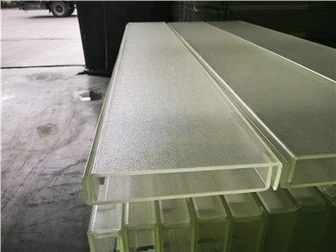
U-shaped glass is a new type of building profile glass, also known as channel steel glass, which has been produced and applied for nearly 40 years at home and abroad. Because its section is U-shaped, it has higher mechanical strength than ordinary flat glass, and has the advantages of good light transmittance, sound insulation, heat insulation, saving a lot of metal materials, simple construction and so on. Applicable to the interior and exterior walls, partitions, roofs and Windows of buildings.
The popular explanation of U-shaped glass is a kind of U-shaped glass. U-shaped glass is also widely used in our daily life, but our understanding of it lacks some correct cognition. U-shaped glass according to the color, appearance, strength can be roughly divided into three kinds: colorless and colored; From the surface state, there are flat and relief; In terms of strength, there is a difference between wired clips and wireless clips.
The production methods of U-shaped glass include calendering, calendering, casting, etc., but calendering is the most common method. U-shaped glass is widely used in China's architecture and industry. How much do you know about the design of U-shaped glass? Next, Xiang Jie Glass will share with you some methods about U-shaped glass design. Let's have a quick look!
Design method of U-shaped glass:
1. There are many ways to treat U-shaped glass surface, such as ordinary fine lines, transparent lines and color lines. In addition to the ordinary thin line, other models need to be marked in the design.
2. U-shaped glass is a non-combustible material, which can achieve a good fire rating. If there is any special requirement, it should be marked according to the relevant specifications.
3. For the installation method of U-shaped glass, see Installation Group method. Usually double rows of wings are arranged in pairs at the joints and mounted hollow, or single rows of wings mounted inward or outward.
4. The length of the U-shaped glass for the exterior walls depends on the local wind load and the height of the glass above the ground.