

What kind of acid is used in acid - etched U profile glass?
Hey there! As a supplier of Acid - Etched U Profile Glass, I often get asked about the kind of acid used in the acid - etching process for this type of glass. So, I thought I'd write this blog to share some insights on that.
First off, let's quickly understand what acid - etched U profile glass is all about. Acid - etched U profile glass, also known as Frosted Channel Glass, Frosted U Channel Glass, or 7mm Frosted U Profile Glass, is a unique type of glass. It has a U - shaped profile, which gives it enhanced structural strength, and the acid - etching process is used to create a frosted or matte finish on its surface. This finish not only offers privacy but also adds an aesthetic touch to architectural and interior design projects.
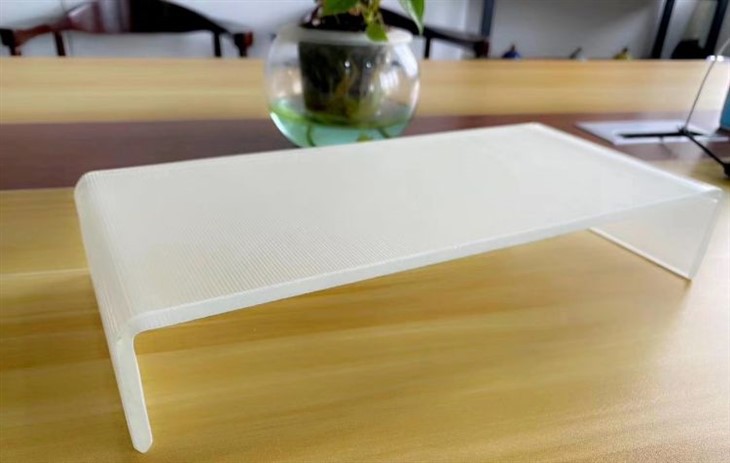

Now, let's dig into the key question: what kind of acid is used in acid - etched U profile glass? The most commonly used acid for this process is hydrofluoric acid (HF). Hydrofluoric acid is a pretty powerful and reactive substance. When it comes into contact with glass, which is mainly composed of silica (SiO₂), a chemical reaction occurs. The hydrofluoric acid reacts with the silica in the glass, breaking down its surface structure.
The chemical reaction can be simplified as follows:
4HF + SiO₂ → SiF₄↑+ 2H₂O
This reaction creates tiny pits and irregularities on the surface of the glass. These microscopic imperfections scatter light as it passes through the glass, resulting in the characteristic frosted appearance. The depth and density of these pits can be controlled by adjusting parameters such as the concentration of the hydrofluoric acid, the duration of the acid treatment, and the temperature during the process.
However, working with hydrofluoric acid is not without its challenges. It's an extremely dangerous acid. Hydrofluoric acid can cause severe burns to the skin, and if inhaled or ingested, it can have life - threatening effects on the body. That's why we suppliers have to take a ton of safety precautions when using it. We have strict safety protocols in place. Workers are required to wear specialized protective gear, including gloves made of materials resistant to hydrofluoric acid, goggles, and full - body protective suits. The acid - etching process is also carried out in well - ventilated areas to prevent the accumulation of harmful fumes.
In addition to hydrofluoric acid, sometimes mixtures of acids are used. For example, a combination of hydrofluoric acid and sulfuric acid (H₂SO₄) can be used. Sulfuric acid can help in controlling the reaction rate and improving the uniformity of the etching. The sulfuric acid is often used to adjust the acidity of the solution and to keep the hydrofluoric acid in an optimal concentration for the etching process. When these two acids are used together, we can achieve a more precise and high - quality frosted finish on the U profile glass.
Another reason we might use these acid mixtures is to reduce the amount of pure hydrofluoric acid needed. Since hydrofluoric acid is so dangerous, minimizing its use while still getting a good result is a win - win situation. By carefully formulating the acid mixture, we can balance the performance of the etching process with safety concerns.
The quality of the acid - etched finish on the U profile glass also depends on the preparation of the glass surface before the acid - etching process. The glass needs to be thoroughly cleaned to remove any dirt, grease, or other contaminants. Any impurities on the glass surface can affect the chemical reaction with the acid and lead to an uneven or poor - quality frosted finish.
When it comes to the thickness of the U profile glass, something like the 7mm Frosted U Profile Glass, the acid - etching process can be adjusted accordingly. Thicker glass may require a slightly longer etching time or a different acid concentration to ensure that the frosted effect penetrates the glass surface evenly.
Now, let's talk about how acid - etched U profile glass is used in real - world applications. In architecture, it's often used for partitions, facades, and interior walls. The frosted finish provides privacy while still allowing some light to pass through, creating a soft and diffused lighting effect. In interior design, it can be used for decorative elements such as doors, room dividers, and even furniture components. Its unique appearance adds a touch of sophistication to any space.
If you're thinking about using acid - etched U profile glass for your next project, it's important to partner with a reliable supplier. We, as a supplier, have the expertise and experience to ensure that the glass meets your specific requirements. We can customize the degree of frosting, the size, and the shape of the U profile glass according to your needs.
Whether you're an architect looking to create a stunning building facade or an interior designer aiming to add a special element to a room, acid - etched U profile glass can be a great choice. And if you have any questions or are interested in making a purchase, don't hesitate to reach out to us. We're here to discuss your needs, provide samples if required, and work with you on the best solutions for your project.
In conclusion, hydrofluoric acid, often in combination with sulfuric acid, is the go - to for acid - etching U profile glass. Despite its dangerous nature, when handled with proper safety measures, it allows us to create beautiful and functional acid - etched U profile glass. So, if you're in the market for this kind of glass, give us a shout, and let's start a conversation about your project!
References:
- General knowledge on glass etching and chemistry
- Industry - specific knowledge and experience in acid - etched U profile glass production.