

What is the wind - resistance of C Channel Glass?
As a dedicated supplier of C Channel Glass, I often encounter inquiries about its wind - resistance capabilities. This property is of paramount importance, especially in architectural applications where the glass is used in large - scale installations, such as facades or partition walls. In this blog, I will delve into the factors that determine the wind - resistance of C Channel Glass and provide a comprehensive understanding of its performance under windy conditions.
Understanding C Channel Glass
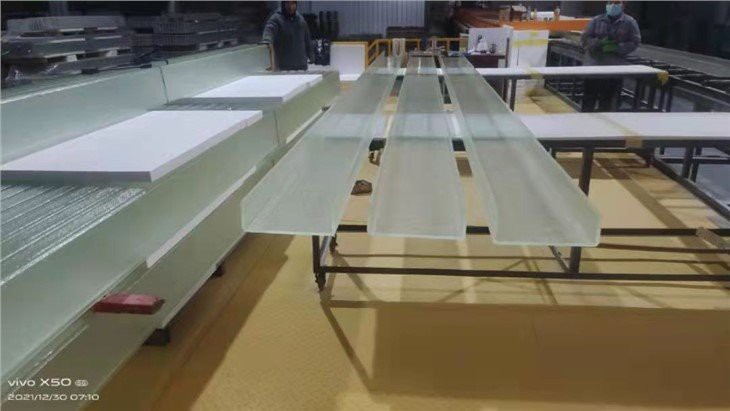
C Channel Glass, also known as U - shaped glass, is a unique building material. It is extruded in a U - shaped cross - section, which gives it enhanced structural strength compared to flat glass. This distinctive shape allows it to be used in a variety of architectural designs, from modern commercial buildings to residential projects.
One of the key features of C Channel Glass is its versatility. It can be installed vertically or horizontally, and different types of C Channel Glass are available to meet various design requirements. For instance, you can explore Channel Glass Wall Systems, which offer a range of options for creating functional and aesthetically pleasing glass walls.
Factors Affecting Wind - Resistance
Thickness of the Glass
The thickness of C Channel Glass plays a crucial role in determining its wind - resistance. Thicker glass generally has higher wind - resistance capabilities. For example, 7mm U Shaped Glass is more resistant to wind pressure compared to thinner variants. When the glass is thicker, it can withstand greater forces without breaking or deforming. This is because a thicker cross - section provides more material to distribute the stress caused by the wind.
Installation Method
The way C Channel Glass is installed also impacts its wind - resistance. A proper installation ensures that the glass is securely held in place. When installed correctly, the glass can better resist the lateral forces exerted by the wind. For vertical installations, the glass is typically supported at the top and bottom, and the joints between the glass panels are sealed to prevent air infiltration. Horizontal installations may require additional support systems to ensure stability.
Structural Support
The overall structural support of the building where the C Channel Glass is installed is another important factor. If the building has a strong and well - designed frame, it can help transfer the wind loads from the glass to the ground. This reduces the stress on the glass itself. Additionally, the use of appropriate mullions and frames can enhance the wind - resistance of the glass installation.
Glass Composition
The composition of the glass can affect its mechanical properties, including wind - resistance. Low Iron Ultra Clear Bent Shape U Profile Glass is made with a specific composition that not only provides high clarity but also contributes to its strength. The low - iron content can improve the glass's resistance to breakage under stress, which is beneficial in windy conditions.

Testing and Standards
To ensure the wind - resistance of C Channel Glass, it undergoes a series of tests. These tests simulate different wind conditions, including high - wind scenarios. The glass is tested for its ability to withstand static and dynamic wind loads. Standards such as ASTM (American Society for Testing and Materials) and ISO (International Organization for Standardization) provide guidelines for testing the wind - resistance of building materials, including C Channel Glass.
By adhering to these standards, we can guarantee that our C Channel Glass products meet the necessary requirements for wind - resistance in various applications. This gives architects, contractors, and building owners the confidence to use our glass in their projects, knowing that it can withstand the forces of nature.
Applications and Wind - Resistance Requirements
Commercial Buildings
In commercial buildings, C Channel Glass is often used for facades. These facades are exposed to different wind conditions, depending on the location and height of the building. Taller buildings are more likely to experience higher wind speeds, so the wind - resistance requirements for the glass used in their facades are more stringent. Our C Channel Glass products are designed to meet these requirements, providing a durable and aesthetically pleasing solution for commercial building facades.
Residential Buildings
In residential buildings, C Channel Glass can be used for partition walls, sunrooms, or even exterior walls. While the wind - resistance requirements for residential applications may not be as high as those for commercial buildings, it is still important to ensure that the glass can withstand normal wind conditions. Our glass products offer a good balance between wind - resistance and cost - effectiveness, making them a popular choice for residential projects.
Case Studies
Let's take a look at some real - world examples of C Channel Glass installations and their wind - resistance performance. In a high - rise commercial building in a coastal area, our 7mm U Shaped Glass was used for the facade. Despite being exposed to strong coastal winds, the glass remained intact and performed well. The proper installation and the inherent strength of the 7mm glass contributed to its excellent wind - resistance.
In a residential sunroom project, our Low Iron Ultra Clear Bent Shape U Profile Glass was installed. The glass provided a clear view while also withstanding the normal wind conditions in the area. The unique shape of the glass and its composition ensured that it could resist the wind without compromising on aesthetics.
Conclusion
In conclusion, the wind - resistance of C Channel Glass is determined by multiple factors, including thickness, installation method, structural support, and glass composition. By understanding these factors, architects, contractors, and building owners can make informed decisions when choosing C Channel Glass for their projects.
Our company, as a leading supplier of C Channel Glass, is committed to providing high - quality products that meet the highest standards of wind - resistance. Whether you are working on a commercial building or a residential project, we have the right C Channel Glass solution for you.
If you are interested in learning more about our C Channel Glass products or have specific requirements for your project, we encourage you to contact us for a detailed discussion. We are ready to assist you in selecting the most suitable glass for your needs and ensuring a successful installation.
References
- ASTM standards for building materials testing
- ISO guidelines for wind - resistance testing of building materials
- Architectural design manuals on the use of C Channel Glass