

What is the impact resistance of Wired C Channel Glass?
As a supplier of Wired C Channel Glass, I am often asked about its impact resistance. This is a crucial property, especially in applications where the glass may be exposed to accidental impacts, high - traffic areas, or environments with potential flying debris. In this blog, I will delve into the factors that affect the impact resistance of Wired C Channel Glass, its performance compared to other types of glass, and its practical implications in various construction projects.
Factors Affecting Impact Resistance
1. Wire Reinforcement
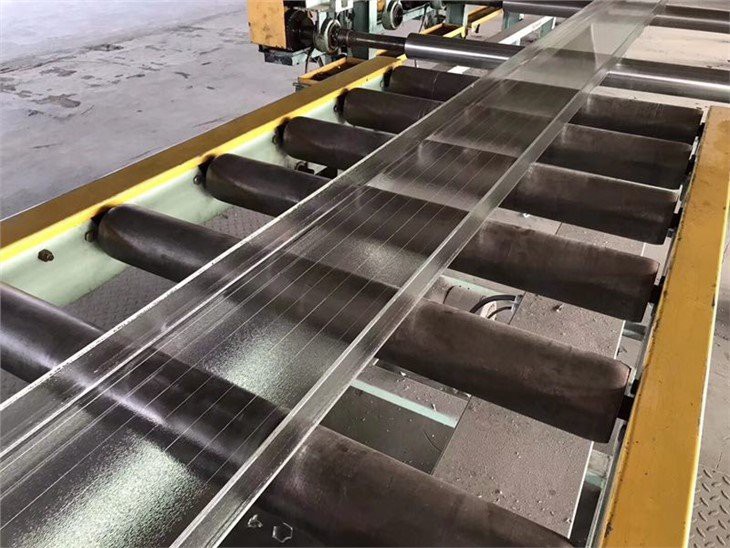
The most distinctive feature of Wired C Channel Glass is the embedded wire mesh. This wire mesh plays a pivotal role in enhancing the glass's impact resistance. When the glass is struck, the wire mesh helps to hold the broken pieces together, preventing them from shattering and scattering in all directions. This is not only a safety advantage but also means that the glass can often remain in place after an impact, maintaining the integrity of the structure to some extent.
The wire used in the glass is typically made of high - strength steel. The gauge and spacing of the wire mesh are carefully designed to optimize the balance between impact resistance and optical clarity. A finer wire gauge with closer spacing generally provides better impact protection but may slightly reduce the transparency of the glass.
2. Glass Thickness
Just like with any type of glass, the thickness of Wired C Channel Glass has a direct impact on its ability to withstand impacts. Thicker glass is generally more resistant to breaking under force. For Wired C Channel Glass, common thicknesses range from 6mm to 10mm, with the thicker options offering enhanced protection against more severe impacts.
In addition to overall thickness, the distribution of thickness within the C - shaped profile also matters. A well - designed profile with consistent thickness across the cross - section can ensure uniform stress distribution when the glass is subjected to an impact, thereby improving its resistance.
3. Manufacturing Process
The manufacturing process of Wired C Channel Glass is another important factor. High - quality manufacturing ensures that the glass has a homogeneous structure and that the wire mesh is properly embedded. Any defects in the glass, such as air bubbles or inclusions, can weaken its structure and reduce its impact resistance.
Advanced manufacturing techniques also allow for better control over the cooling rate of the glass during production. A controlled cooling process helps to relieve internal stresses within the glass, making it more resistant to impacts.
Performance Comparison with Other Glass Types
1. Wired U Shape Glass
Wired U Shape Glass is another type of wire - reinforced glass. While both Wired C Channel Glass and Wired U Shape Glass benefit from wire reinforcement, their different shapes result in different impact - resistance characteristics.
The C - shaped profile of Wired C Channel Glass provides a more rigid structure compared to the U - shape in some applications. The curved sides of the C - shape can better distribute impact forces, potentially making it more resistant to impacts from certain angles. However, the specific performance also depends on the thickness and wire configuration of each type of glass.
2. Regular Float Glass
Compared to regular float glass, Wired C Channel Glass has significantly better impact resistance. Regular float glass shatters easily when struck, posing a serious safety hazard. In contrast, the wire mesh in Wired C Channel Glass holds the broken pieces together, reducing the risk of injury from flying shards.
In areas where there is a high risk of accidental impacts, such as schools, hospitals, and commercial buildings, Wired C Channel Glass is a much safer choice than regular float glass.
3. Tempered Glass
Tempered glass is known for its high impact resistance. It is heat - treated to create internal stresses that make it several times stronger than regular float glass. However, once tempered glass breaks, it shatters into small, relatively harmless pieces.
Wired C Channel Glass offers a different approach. Instead of shattering completely, it retains some of its structural integrity after an impact. This can be advantageous in applications where it is important to maintain a barrier even after the glass has been damaged, such as in partition walls or facades.
Practical Implications in Construction Projects
1. Safety in Public Buildings
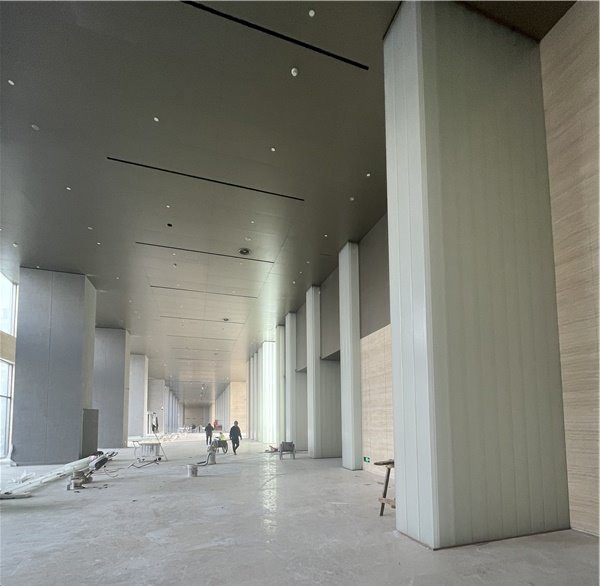
In public buildings like schools, shopping malls, and museums, safety is of utmost importance. Wired C Channel Glass can be used in areas where there is a high risk of people bumping into the glass, such as corridors, stairwells, and entranceways. Its impact - resistant properties ensure that in the event of an accidental impact, the glass will not shatter into dangerous pieces, reducing the risk of serious injuries.
2. Industrial Applications
In industrial settings, Wired C Channel Glass can be used in factory windows, machine enclosures, and safety barriers. These areas may be exposed to flying debris, tool impacts, or other forms of mechanical stress. The glass's ability to withstand impacts helps to protect workers and equipment, as well as maintain the integrity of the building's structure.
3. Architectural Design
Architects often look for materials that combine aesthetics with functionality. Wired C Channel Glass offers a unique combination of transparency and impact resistance, allowing for creative design solutions. It can be used to create visually appealing facades, partitions, and interior features while also providing a high level of safety.
4. Security in High - Risk Areas
In high - risk areas such as banks, jewelry stores, and government buildings, Wired C Channel Glass can be used as an additional layer of security. Its ability to resist impacts can deter potential intruders by making it more difficult to break through the glass quickly.
Contact for Procurement and Discussion
If you are interested in learning more about the impact resistance of Wired C Channel Glass or are considering using it in your next construction project, I encourage you to reach out. We are a reliable supplier of Wired C Channel Glass and Wired Channel Glass, and we can provide you with detailed product information, samples, and competitive pricing. Whether you have a small - scale renovation project or a large - scale commercial development, we are here to assist you in making the right choice.
References
- ASTM International. (Year). Standard test methods for impact resistance of flat glass.
- Glass Association of North America. (Year). Technical guide to glass performance in buildings.
- Manufacturers' technical documents on Wired C Channel Glass, Wired U Shape Glass, and related products.