

What is the heat resistance of Low Iron C Glass?
As a supplier of Low Iron C Glass, I often encounter inquiries about its various properties, with heat resistance being a topic of significant interest. In this blog, I'll delve into the heat resistance of Low Iron C Glass, exploring its underlying principles, practical applications, and how it compares to other glass types.
Understanding Low Iron C Glass
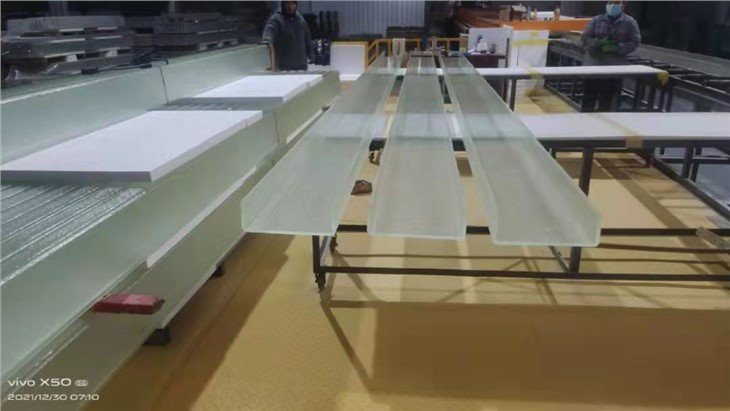
Before we discuss heat resistance, let's briefly introduce Low Iron C Glass. This type of glass is characterized by its low iron content, which gives it exceptional clarity and transparency. The "C" shape refers to its cross - sectional profile, resembling the letter "C". It is commonly used in architectural applications such as partitions, facades, and interior design elements due to its aesthetic appeal and structural integrity.
The Science Behind Heat Resistance
The heat resistance of Low Iron C Glass is determined by several factors. Firstly, the chemical composition of the glass plays a crucial role. The low iron content not only enhances optical properties but also contributes to its thermal stability. Iron impurities can act as heat - absorbing centers, causing uneven heating and potentially leading to thermal stress fractures. With less iron, Low Iron C Glass can withstand higher temperatures without significant deformation or breakage.
Another important factor is the manufacturing process. Low Iron C Glass is typically produced using advanced melting and forming techniques that ensure a uniform structure. This uniformity allows the glass to distribute heat more evenly, reducing the likelihood of localized stress points. For example, during the annealing process, the glass is slowly cooled to relieve internal stresses, which further improves its heat - resistant capabilities.
Heat Resistance in Practical Applications
In architectural applications, the heat resistance of Low Iron C Glass is highly valued. For instance, in buildings located in regions with extreme climates, the glass needs to withstand both high - temperature sunlight during the day and rapid temperature drops at night. Low Iron C Glass can handle these temperature variations without cracking or losing its structural integrity.
In addition, it is often used in interior spaces where there are heat - generating sources such as fireplaces or large electrical appliances. The glass can act as a barrier, protecting the surrounding environment from the heat while still allowing for visual transparency. For example, in modern restaurants with open - kitchen designs, Low Iron C Glass partitions can separate the cooking area from the dining area, preventing the spread of heat and smoke while maintaining an open and airy atmosphere.
Comparing with Other Glass Types
When compared to standard float glass, Low Iron C Glass generally has better heat resistance. Standard float glass contains more iron impurities, which makes it more susceptible to thermal stress. As a result, it may crack or shatter when exposed to rapid temperature changes or high - temperature environments.
Tempered glass is another type of glass known for its heat resistance. However, tempered glass is processed through a special heat - treatment process that makes it much stronger but also more brittle in some cases. Low Iron C Glass offers a balance between transparency, heat resistance, and structural flexibility. It can be used in applications where tempered glass may be too rigid or where the high clarity of low - iron glass is required.
Applications in Specific Industries
Construction Industry
In the construction industry, Low Iron C Glass is used in curtain walls and skylights. Curtain walls made of this glass can provide excellent insulation against heat transfer while allowing natural light to penetrate the building. Skylights, on the other hand, need to withstand direct sunlight and high - temperature exposure. Low Iron C Glass can maintain its optical properties and structural strength under these conditions, making it an ideal choice for these applications.
Interior Design
Interior designers often choose Low Iron C Glass for its aesthetic and functional properties. In addition to the previously mentioned partitions, it can be used in the design of display cases, stair railings, and decorative elements. When used in display cases, the glass needs to protect the exhibits from heat - related damage while providing a clear view. Low Iron C Glass meets these requirements effectively.
Exploring Related Products
If you're interested in other types of low - iron profile glass, we also offer C Channel Glass and 7mm U Shaped Glass. These products have similar low - iron characteristics and can be used in a variety of applications. Additionally, our Low Iron Ultra Clear Bent Shape U Profile Glass offers unique design possibilities with its bent shape, while still maintaining high heat resistance.

Conclusion and Call to Action
In conclusion, the heat resistance of Low Iron C Glass is a result of its low iron content, advanced manufacturing processes, and uniform structure. It offers a combination of excellent optical properties, structural integrity, and the ability to withstand high temperatures and temperature variations. Whether you're an architect, interior designer, or involved in a construction project, Low Iron C Glass can be a valuable choice for your applications.
If you're interested in learning more about our Low Iron C Glass or would like to discuss a potential purchase, please feel free to reach out. We're always ready to provide detailed information and work with you to meet your specific needs.
References
- ASTM International. "Standard Test Methods for Thermal Properties of Glass and Glazing Materials." ASTM C1603 - 18.
- Schott AG. "Technical Information on Glass Properties."