

What is the color fastness of acid - etched U profile glass?
Color fastness is a critical property in various materials, including glass products. As a supplier of Acid-Etched U Profile Glas, understanding the color fastness of our acid - etched U profile glass is of utmost importance, not only for ensuring product quality but also for meeting the diverse needs of our customers in different applications.
1. Definition and Significance of Color Fastness in Acid - Etched U Profile Glass
Color fastness refers to the ability of a material to retain its original color under different environmental conditions, such as exposure to light, moisture, temperature changes, and chemical substances. In the case of acid - etched U profile glass, color fastness is a measure of how well the etched color or pattern remains stable over time.
This property is significant for several reasons. Firstly, for aesthetic purposes, customers often choose acid - etched U profile glass for its unique appearance and decorative effect. If the color fades or changes, it can undermine the overall visual appeal of the glass installation. Secondly, in architectural and interior design applications, where the glass may be exposed to various elements for extended periods, long - lasting color is essential for maintaining the integrity and attractiveness of the building or space. Thirdly, color fastness is also related to the durability and longevity of the product. A glass with good color fastness is generally more resistant to wear and tear, which means it can serve its purpose for a longer time.
2. Factors Affecting the Color Fastness of Acid - Etched U Profile Glass
2.1 Chemical Composition of the Etching Process
The acid - etching process involves the use of specific chemicals to create the desired color and pattern on the glass surface. The type and concentration of acids, as well as any additives used in the process, can significantly affect the color fastness. For example, some acids may react more aggressively with the glass, leading to a more porous surface that is more prone to color change. On the other hand, a well - formulated etching solution can create a more stable and durable color on the glass.
2.2 Quality of the Base Glass
The quality of the base glass also plays a crucial role in color fastness. High - quality glass with a uniform chemical composition and low impurities is more likely to provide a stable foundation for the acid - etching process. Impurities in the glass can react with the etching chemicals, causing uneven color distribution or reducing the overall color fastness.
2.3 Environmental Conditions
Exposure to different environmental factors can have a significant impact on the color fastness of acid - etched U profile glass.
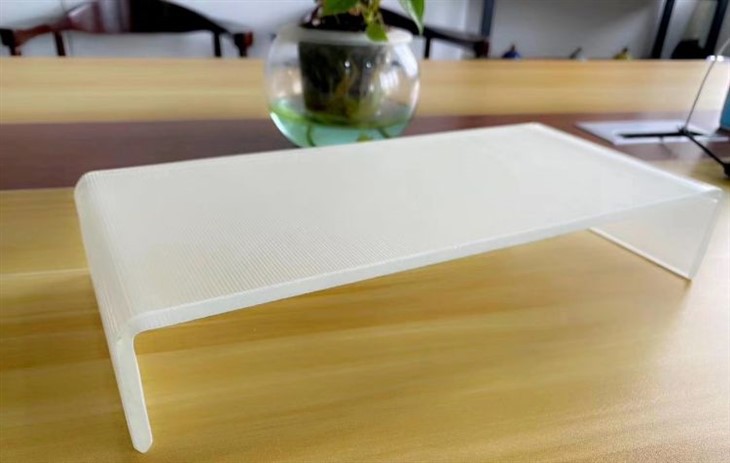

- Light Exposure: Ultraviolet (UV) light is particularly harmful to the color of many materials, including glass. Prolonged exposure to UV rays can cause the colorants in the etched pattern to break down, leading to fading. This is especially important in outdoor applications or areas with large windows that receive direct sunlight.
- Moisture and Humidity: High levels of moisture and humidity can also affect color fastness. Moisture can penetrate the etched surface of the glass and cause chemical reactions that degrade the color. In addition, if the glass is exposed to water with a high mineral content, it may leave deposits on the surface, which can change the appearance of the color.
- Temperature Changes: Extreme temperature variations can cause the glass to expand and contract, which may put stress on the etched color layer. Over time, this stress can lead to cracking or peeling of the color, reducing its fastness.
3. Testing Methods for Color Fastness
To ensure the color fastness of our acid - etched U profile glass, we use a variety of testing methods.
3.1 Light Fastness Testing
We conduct light fastness tests using a xenon arc lamp, which simulates natural sunlight, including UV rays. The glass samples are exposed to the light source for a specified period, and the color change is measured using a spectrophotometer. The results are then compared to a standard color scale to determine the light fastness rating of the glass.
3.2 Moisture and Humidity Testing
For moisture and humidity testing, we place the glass samples in a controlled environment chamber with high humidity levels for a certain period. After the exposure, we visually inspect the samples for any signs of color change, such as fading or discoloration. We also measure the color difference using a colorimeter to quantify the change.
3.3 Temperature Cycling Testing
Temperature cycling testing involves subjecting the glass samples to repeated cycles of high and low temperatures. This simulates the real - world conditions of temperature variations that the glass may experience. After the cycling process, we examine the samples for any damage to the etched color, such as cracking or peeling.
4. Our Commitment to High - Quality Color Fastness
As a supplier of Acid-Etched U Profile Glas, we are committed to providing our customers with products that have excellent color fastness. We use high - quality base glass and carefully formulated etching solutions to ensure the stability and durability of the etched color.
We also invest in advanced testing equipment and strict quality control measures. Every batch of our acid - etched U profile glass undergoes comprehensive color fastness testing before it is shipped to our customers. This helps us to ensure that our products meet or exceed industry standards and customer expectations.
5. Applications and Advantages of Acid - Etched U Profile Glass with Good Color Fastness
Our acid - etched U profile glass with good color fastness has a wide range of applications.
5.1 Architectural Applications
In architecture, it can be used for building facades, partitions, and interior decoration. The long - lasting color ensures that the building maintains its aesthetic appeal for many years. For example, in modern office buildings or commercial complexes, acid - etched U profile glass can create a unique and stylish appearance. The stable color also makes it suitable for historical building restorations, where maintaining the original look is crucial.
5.2 Interior Design Applications
In interior design, it is often used for doors, windows, and decorative elements. The acid - etched pattern and color can add a touch of elegance and privacy to a space. For instance, in a hotel lobby or a high - end residential bathroom, Frosted Channel Glass can create a luxurious and comfortable atmosphere.
5.3 Advantages
The main advantages of our acid - etched U profile glass with good color fastness are its durability, aesthetic appeal, and low maintenance requirements. Since the color remains stable over time, there is no need for frequent replacement or touch - up, which can save both time and money for our customers.
6. Comparison with Other Glass Products
Compared to other types of glass products, such as painted glass or film - applied glass, our acid - etched U profile glass has better color fastness. Painted glass is often prone to chipping and peeling, especially when exposed to harsh environmental conditions. Film - applied glass may also experience issues with delamination and color fading.
Our acid - etched process creates a more integrated and durable color on the glass surface, which is less likely to be affected by external factors. Additionally, the three - dimensional U profile design of our glass provides additional structural strength and a unique visual effect, making it a more attractive choice for various applications.
7. Conclusion and Call to Action
In conclusion, the color fastness of acid - etched U profile glass is a crucial property that affects its appearance, durability, and suitability for different applications. At our company, we are dedicated to providing high - quality Acid-Etched U Profile Glas with excellent color fastness.
If you are interested in our 7mm Frosted U Profile Glass or other acid - etched U profile glass products, we invite you to contact us for more information. Our team of experts will be happy to assist you with product selection, technical advice, and procurement negotiations. Whether you are an architect, interior designer, or a construction firm, we are confident that our products can meet your specific needs and requirements.
References
- ASTM International. (Year). Standard test methods for color fastness of materials. ASTM standards website.
- Glass Association of North America. (Year). Technical guidelines for glass products and their properties. GANA publication.
- Oxford University Press. (Year). The science of glass and its applications. Oxford academic books.