

What are the future trends of C Channel Glass?
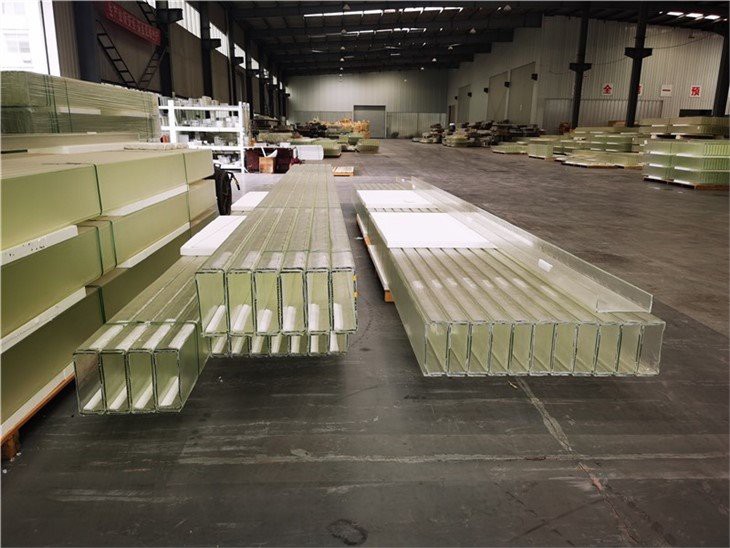
As a supplier of C Channel Glass, I've witnessed firsthand the remarkable evolution of this unique building material and have a keen interest in its future trends. C Channel Glass, characterized by its distinctive shape and functionality, has become an increasingly popular choice in modern architecture and design. In this blog, I'll delve into the future trends of C Channel Glass, exploring its potential applications, technological advancements, and market dynamics.
1. Architectural Design Innovation
The future of C Channel Glass lies in its continued integration into innovative architectural designs. Architects are constantly seeking new ways to use materials to create visually stunning and functional spaces. C Channel Glass offers a unique combination of transparency, light transmission, and structural integrity, making it an ideal choice for a variety of applications.
- Facade Systems: C Channel Glass is likely to play a significant role in the development of advanced facade systems. Its ability to provide natural light while maintaining privacy and insulation makes it suitable for both commercial and residential buildings. In the future, we can expect to see more complex and imaginative facade designs using C Channel Glass, such as curved or angled installations that enhance the building's aesthetic appeal. For example, a large - scale corporate headquarters could feature a facade made entirely of C Channel Glass, creating a modern and inviting entrance that maximizes daylighting. You can find more about similar applications of glass profiles on our U Shaped Profile Glass page.
- Interior Partitioning: In interior design, C Channel Glass is an excellent choice for creating partitions that separate spaces while allowing light to flow through. As open - plan offices and living spaces continue to be popular, the demand for flexible and visually appealing partitioning solutions will increase. Future trends may include the use of C Channel Glass partitions with customizable patterns or integrated lighting, adding an extra layer of functionality and style to the interior.
2. Technological Advancements
Advancements in glass manufacturing technology will have a profound impact on the future of C Channel Glass. These improvements will not only enhance the performance of the glass but also open up new possibilities for its use.
- Improved Strength and Durability: New manufacturing processes are being developed to increase the strength and durability of C Channel Glass. This includes the use of strengthened or tempered glass, which can withstand higher levels of stress and impact. In high - traffic areas or buildings located in harsh environments, such as coastal regions with strong winds and salt spray, these enhanced - strength glasses will be essential. The Low Iron Ultra Clear Bent Shape U Profile Glass already showcases some of the technological achievements in glass manufacturing, and similar advancements will be applied to C Channel Glass.
- Energy - Efficient Coatings: With the growing emphasis on energy efficiency in buildings, C Channel Glass will likely be equipped with advanced coatings. These coatings can reduce heat transfer, block harmful UV rays, and improve the overall insulation performance of the glass. For example, low - emissivity (Low - E) coatings can reflect infrared radiation, keeping the interior of the building cooler in summer and warmer in winter. This not only reduces energy consumption but also enhances the comfort of the occupants.
3. Sustainability and Green Building
Sustainability is a major trend in the construction industry, and C Channel Glass is well - positioned to meet the growing demand for eco - friendly building materials.
- Recyclability: Glass is a highly recyclable material, and C Channel Glass is no exception. In the future, more emphasis will be placed on the recyclability of building materials, and C Channel Glass will likely be used in projects with strict sustainability requirements. By using recycled glass in the manufacturing process, we can reduce the environmental impact of production and contribute to a circular economy.
- Daylighting and Energy Savings: As mentioned earlier, C Channel Glass can effectively transmit natural light into buildings. By reducing the need for artificial lighting during the day, it helps to lower energy consumption and carbon emissions. In green building certifications such as LEED (Leadership in Energy and Environmental Design), daylighting is an important criterion, and C Channel Glass can play a crucial role in achieving these certifications.
4. Customization and Personalization
Consumers and architects are increasingly looking for unique and personalized building materials. C Channel Glass offers a high degree of customization, allowing for different sizes, shapes, colors, and surface treatments.
- Shape and Size: The manufacturing process of C Channel Glass can be adjusted to produce a wide range of shapes and sizes. This flexibility enables architects to realize their creative visions, whether it's a small, intricate installation or a large - scale, custom - designed facade. For example, a museum might require C Channel Glass in irregular shapes to fit its unique architectural layout. You can explore the various options available on our C Channel Glass page.
- Color and Surface Treatments: C Channel Glass can be tinted or coated with different colors to match the design scheme of a building. Additionally, surface treatments such as frosted or textured finishes can be applied to achieve different levels of privacy and visual effects. This customization allows for a more personalized and unique look, making each building stand out.
5. Market Expansion
The market for C Channel Glass is expected to expand in the coming years, driven by factors such as urbanization, population growth, and the increasing demand for modern and sustainable buildings.

- Emerging Markets: In emerging economies, rapid urbanization is leading to a boom in construction activities. As these countries strive to build modern and energy - efficient infrastructure, the demand for innovative building materials like C Channel Glass is likely to increase. For example, in Southeast Asian countries, where there is a high demand for commercial and residential buildings, C Channel Glass can offer a cost - effective and aesthetically pleasing solution.
- Renovation and Retrofit Projects: In addition to new construction, the renovation and retrofit market also presents significant opportunities for C Channel Glass. Older buildings can be upgraded with C Channel Glass facades or partitions to improve their energy efficiency, appearance, and functionality. This market segment is expected to grow as building owners look for ways to extend the lifespan of their properties and meet new energy and safety standards.
Contact for Procurement and Discussion
If you are interested in learning more about C Channel Glass or are considering using it in your upcoming project, I encourage you to reach out to us. Our team of experts is ready to provide you with detailed information, samples, and technical support. We can also discuss your specific requirements and help you find the best solutions for your project. Whether you are an architect, builder, or developer, we are committed to working with you to bring your vision to life.
References
- Glass Association of North America. (Year). Glass in Architecture: Trends and Innovations.
- International Energy Agency. (Year). Energy Efficiency in Buildings: Best Practices and Technologies.
- World Green Building Council. (Year). Global Status Report on Green Building.