

What are the abrasion resistance properties of Frosted C Channel Glass?
As a supplier of Frosted C Channel Glass, I've received numerous inquiries about its abrasion resistance properties. In this blog, I'll delve into the key aspects of this property, offering insights based on both industry knowledge and practical experience.
Understanding Abrasion Resistance
Abrasion resistance refers to a material's ability to withstand wear and tear caused by friction, rubbing, or scraping. For Frosted C Channel Glass, this property is crucial, especially in applications where the glass is likely to come into contact with various objects or be exposed to abrasive environments.
Factors Affecting Abrasion Resistance
- Glass Composition
The base composition of the glass plays a fundamental role in determining its abrasion resistance. Our Frosted C Channel Glass is made from high - quality silica - based glass. Silica provides a strong and stable structure, which forms the foundation for good abrasion resistance. The manufacturing process carefully controls the proportion of silica and other additives to enhance the glass's overall durability. - Frosting Process
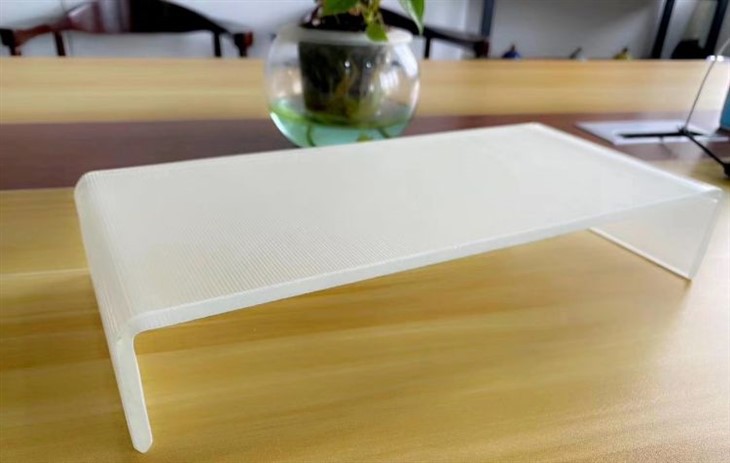
The frosting of the C Channel Glass is achieved through a specialized process. There are two common methods: sandblasting and acid etching. Sandblasted Frosted C Channel Glass Sandblasted U Profile Glass has a rougher surface compared to acid - etched glass. The sandblasting process creates a micro - rough surface on the glass, which can affect its abrasion resistance. On one hand, the rough surface can act as a buffer, absorbing some of the impact from abrasion. On the other hand, if the abrasive particles are large enough, they may get stuck in the surface irregularities and cause more damage over time.
Acid - etched Frosted C Channel Glass, on the other hand, has a smoother and more uniform frosted surface. This smoothness generally provides better abrasion resistance as there are fewer places for abrasive particles to catch. However, the acid - etching process also needs to be carefully controlled to ensure that the glass's structural integrity is not compromised. - Surface Coating
In some cases, we apply a special surface coating to our Frosted C Channel Glass to further enhance its abrasion resistance. These coatings can be made of various materials, such as polymers or metal oxides. The coating acts as a protective layer, preventing direct contact between the glass surface and abrasive agents. It can also reduce friction, which in turn reduces the likelihood of abrasion.
Testing Abrasion Resistance
To accurately assess the abrasion resistance of Frosted C Channel Glass, we conduct a series of standardized tests. One of the most commonly used tests is the Taber Abraser test. In this test, a sample of the glass is placed on a rotating platform, and two abrasive wheels are applied to the surface with a specific load. The wheels rotate for a set number of cycles, and then the change in the glass's optical properties (such as haze and transmittance) is measured. A lower change in these properties indicates better abrasion resistance.
We also perform real - world simulation tests. For example, we simulate the conditions in a busy commercial store where the glass may be brushed against by shopping carts or clothing. By exposing the glass samples to these simulated conditions for an extended period, we can observe how the glass performs and make any necessary improvements to our manufacturing process.
Applications and Abrasion Resistance Requirements
- Interior Partition Walls
In interior design, Frosted C Channel Glass is often used as partition walls. In office spaces, for example, the glass may be subject to light abrasion from people passing by or moving furniture. In this case, a moderate level of abrasion resistance is sufficient. Our Frosted C Channel Glass Frosted Channel Glass meets these requirements, maintaining its appearance and functionality over time. - Retail Stores
Retail stores require higher abrasion resistance for their display cases and partitions. Customers may touch, lean on, or even accidentally bump into the glass. For this application, we recommend our Frosted U Channel Glass For Stores, which has been specifically designed to withstand more intense abrasion. The glass retains its clarity and aesthetic appeal, even in high - traffic areas. - Public Spaces
In public spaces such as airports, museums, and shopping malls, the glass is exposed to a large number of people and various objects. The abrasion resistance requirements are extremely high. Our Frosted C Channel Glass with a special surface coating can effectively resist the abrasion caused by constant contact with shoes, bags, and other items, ensuring long - term durability.
Comparing with Other Glass Types
When compared to clear glass, Frosted C Channel Glass generally has better abrasion resistance in some aspects. The frosted surface can disperse the impact of abrasion more evenly, reducing the likelihood of concentrated damage. However, compared to tempered glass, the abrasion resistance of Frosted C Channel Glass may be slightly lower. Tempered glass is heat - treated to increase its strength, which also contributes to better abrasion resistance. But Frosted C Channel Glass offers unique aesthetic and privacy features that tempered glass may not provide.
Maintaining Abrasion Resistance
To maintain the abrasion resistance of Frosted C Channel Glass, proper cleaning and maintenance are essential. Use a soft, non - abrasive cloth and a mild glass cleaner. Avoid using rough sponges or abrasive cleaners, as they can scratch the glass surface and reduce its abrasion resistance. Regular cleaning can remove dirt and debris that may act as abrasive agents, ensuring the long - term performance of the glass.
Conclusion
In conclusion, the abrasion resistance of Frosted C Channel Glass is influenced by multiple factors, including glass composition, frosting process, and surface coating. Through rigorous testing and continuous improvement, we ensure that our Frosted C Channel Glass meets the diverse abrasion resistance requirements of different applications. Whether it's for interior partitions, retail stores, or public spaces, our glass provides both aesthetic appeal and long - lasting durability.
If you are interested in our Frosted C Channel Glass or have any questions about its abrasion resistance properties, please feel free to contact us for further discussion and procurement negotiation. We are committed to providing you with the best products and services.

References
- ASTM International. (Year). Standard Test Method for Abrasion Resistance of Organic Coatings by the Taber Abraser.
- Glass Association of North America. (Year). Technical Guidelines for Glass in Building Applications.
- Industry research reports on glass properties and applications.