

Is Forsted U Profile Glass suitable for coastal areas?
Is Frosted U Profile Glass Suitable for Coastal Areas?
As a supplier of Frosted U Profile Glass, I often get asked whether this type of glass is suitable for use in coastal areas. Coastal environments present unique challenges due to factors such as high humidity, saltwater exposure, and strong winds. In this blog post, I will explore the characteristics of Frosted U Profile Glass and evaluate its suitability for coastal applications.
Characteristics of Frosted U Profile Glass
Frosted U Profile Glass, also known as Acid - Etched U Profile Glas, Frosted Channel Glass, and Frosted U Channel Glass, has several notable features.
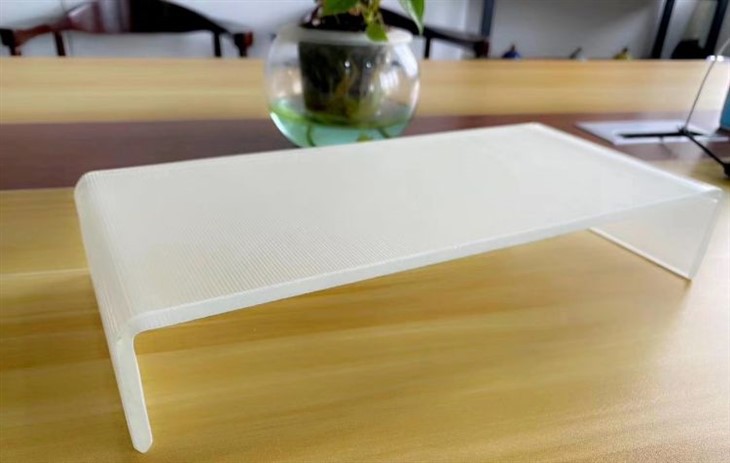

Aesthetic Appeal: The frosted finish of this glass provides a soft, diffused light effect, which can enhance the visual appeal of a building. It offers privacy while still allowing natural light to penetrate, creating a warm and inviting atmosphere.
Structural Integrity: U - profile glass has a unique shape that gives it inherent strength. It can be used as a load - bearing element in some architectural designs, reducing the need for additional structural support. This makes it a practical choice for large - scale installations.
Versatility: Frosted U Profile Glass can be used in a variety of applications, including partitions, facades, interior walls, and skylights. Its flexibility in design allows architects and designers to create innovative and functional spaces.
Challenges in Coastal Areas
Coastal areas are characterized by a harsh environment that can take a toll on building materials.
Saltwater Corrosion: Saltwater contains chloride ions, which can cause corrosion of metals and some types of glass over time. When saltwater comes into contact with glass, it can leave behind salt deposits that may damage the glass surface if not cleaned regularly.
High Humidity: The high humidity levels in coastal regions can lead to the formation of condensation on glass surfaces. Prolonged exposure to moisture can cause the growth of mold and mildew, which not only affects the appearance of the glass but also poses a health risk.
Strong Winds and Storms: Coastal areas are often prone to strong winds and severe storms. These weather conditions can subject the glass to high - impact forces, increasing the risk of breakage.
Suitability of Frosted U Profile Glass for Coastal Areas
Resistance to Saltwater Corrosion
Modern Frosted U Profile Glass is typically made from high - quality materials that have good resistance to saltwater corrosion. Most glass manufacturers use special coatings or treatments to protect the glass from the effects of salt. For example, some glasses are treated with a hydrophobic coating that repels water and reduces the adhesion of salt deposits. However, it is important to note that regular maintenance is still required. Cleaning the glass with fresh water on a regular basis can help prevent the build - up of salt and other contaminants.
Moisture Management
To address the issue of high humidity and condensation, Frosted U Profile Glass can be installed with proper ventilation systems. This helps to reduce the moisture content in the air around the glass, minimizing the risk of mold and mildew growth. Additionally, double - glazed or insulated Frosted U Profile Glass can be used to reduce the temperature difference between the inside and outside of the glass, further reducing the likelihood of condensation.
Wind and Storm Resistance
The structural strength of U - profile glass makes it relatively resistant to strong winds. However, in areas prone to hurricanes or severe storms, additional safety measures may be necessary. For example, the glass can be installed with impact - resistant films or laminated with other materials to increase its strength and prevent shattering in case of a high - impact event.
Case Studies
There have been several successful installations of Frosted U Profile Glass in coastal areas. In a beachfront resort, Frosted U Profile Glass was used for the building's facade. The glass provided privacy for the guests while allowing them to enjoy the beautiful ocean view through the diffused light. After several years of exposure to the coastal environment, the glass showed minimal signs of damage. Regular maintenance, including cleaning and inspections, ensured its long - term performance.
In another case, a coastal office building used Frosted U Profile Glass for interior partitions. The glass withstood the high humidity levels and the occasional salt - laden sea breezes. The building's ventilation system effectively managed the moisture, and the glass remained in good condition.
Conclusion
In general, Frosted U Profile Glass can be a suitable choice for coastal areas. Its aesthetic appeal, structural integrity, and versatility make it an attractive option for architectural designs. However, proper precautions need to be taken to address the challenges posed by the coastal environment. By using high - quality glass with appropriate coatings, implementing moisture management strategies, and ensuring adequate wind and storm protection, Frosted U Profile Glass can provide long - lasting performance in coastal applications.
If you are considering using Frosted U Profile Glass for your coastal project, I encourage you to reach out to us. Our team of experts can provide you with detailed information about the product, its suitability for your specific location, and the best installation and maintenance practices. We are committed to helping you make the right choice for your building and ensuring its success in the coastal environment.
References
- Glass Association of North America. "Glass Performance in Harsh Environments."
- Architectural Digest. "Coastal Building Materials: What Works Best."
- Journal of Architectural Engineering. "Structural Analysis of U - Profile Glass in Coastal Structures."