

How to store Low Iron U Profile Glass properly?
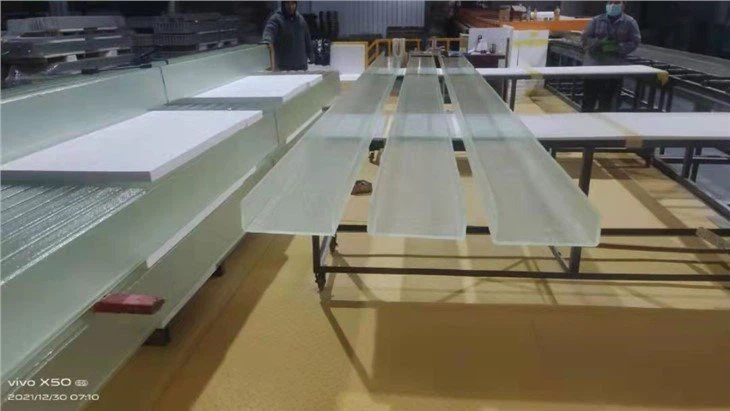
As a supplier of Low Iron U Profile Glass, I understand the importance of proper storage to maintain the quality and integrity of this specialized glass product. Low Iron U Profile Glass is known for its high clarity, low iron content, and unique U-shaped profile, making it a popular choice for various architectural and interior design applications, such as U-channel Glass for Partitions, Clear Patterned U Channel Glass, and Low Iron U Channel Glass.
Understanding the Characteristics of Low Iron U Profile Glass
Before delving into the storage methods, it is essential to understand the characteristics of Low Iron U Profile Glass. This type of glass is made from high - purity silica sand with a reduced iron content, which gives it a higher level of transparency and a more neutral color compared to regular glass. The U - shaped profile provides structural strength and is often used in applications where both aesthetics and functionality are required.
However, Low Iron U Profile Glass is also relatively fragile and can be easily damaged by improper handling and storage conditions. It is sensitive to scratches, impacts, and environmental factors such as humidity and temperature changes.
Storage Location
Indoor Storage
Indoor storage is highly recommended for Low Iron U Profile Glass. A dedicated, clean, and dry storage facility should be used to protect the glass from the elements. The storage area should be free from dust, dirt, and any potential sources of damage.
The floor of the storage area should be flat and level. Uneven surfaces can cause stress points on the glass, leading to cracks or breakage. If possible, use a padded or cushioned surface to further protect the glass.
Temperature and Humidity Control
Maintaining a stable temperature and humidity level in the storage area is crucial. Extreme temperature fluctuations can cause the glass to expand or contract, which may lead to internal stress and breakage. The ideal temperature range for storing Low Iron U Profile Glass is between 10°C and 30°C (50°F - 86°F).

High humidity can also be detrimental to the glass. It can cause the growth of mold and mildew on the surface of the glass, especially if there are any organic residues. The relative humidity in the storage area should be kept between 30% and 60%.
Storage Orientation
Upright Storage
Low Iron U Profile Glass should be stored upright in a vertical position. This orientation helps to distribute the weight evenly along the length of the glass and reduces the risk of bending or warping. When storing the glass upright, it should be supported at the edges to prevent any sagging.
Specialized glass racks can be used for upright storage. These racks should be designed to hold the U - shaped profile securely. The spacing between the glass panels in the rack should be sufficient to prevent them from touching each other, which could cause scratches or damage.
Avoid Horizontal Storage
Horizontal storage of Low Iron U Profile Glass is generally not recommended. When the glass is stored horizontally, its own weight can cause it to bend, especially if it is a large - sized panel. This bending can lead to internal stress and eventually result in breakage.
Protection during Storage
Wrapping
Each piece of Low Iron U Profile Glass should be wrapped in a protective material before storage. A soft, non - abrasive film or paper can be used to prevent scratches on the glass surface. This protective wrapping should cover the entire surface of the glass, including the edges.
In addition to the soft wrapping, a layer of cardboard or foam can be added for extra protection. This can help to absorb any minor impacts and prevent damage to the glass.
Edge Protection
The edges of Low Iron U Profile Glass are particularly vulnerable to chipping and breakage. Special edge protectors made of rubber or plastic can be used to cover the edges of the glass. These edge protectors should fit snugly around the edges to provide effective protection.
Stacking and Handling
Stacking
When stacking Low Iron U Profile Glass, it is important to stack it in a stable and safe manner. Only stack glass panels of the same size and thickness together. Uneven stacking can cause stress on the glass, leading to breakage.
A maximum of 10 - 12 panels can be stacked together, depending on the size and thickness of the glass. Always place a protective layer between each stack of glass panels to prevent scratching.
Handling
Proper handling is crucial during the storage process. When moving the glass, use appropriate lifting equipment such as suction cups or glass handlers. Make sure that the lifting equipment is in good condition and rated for the weight of the glass.
Avoid any sudden movements or jerks when handling the glass. Carefully maneuver the glass into the storage area, taking precautions to prevent it from hitting any objects.
Inspection and Maintenance
Regular Inspection
Regular inspections of the stored Low Iron U Profile Glass are necessary. Check for any signs of damage, such as cracks, chips, or scratches. Inspect the protective wrapping and edge protectors to ensure that they are still intact and providing adequate protection.
If any damaged glass is found, it should be removed from the storage area immediately to prevent it from causing damage to other glass panels.
Cleaning
Periodically clean the storage area to remove any dust or dirt that may accumulate. However, avoid cleaning the glass surface until it is ready for installation. Any abrasive cleaning agents can damage the glass surface.
Conclusion
Proper storage of Low Iron U Profile Glass is essential to ensure its quality and functionality. By following the guidelines outlined above, you can minimize the risk of damage during storage and ensure that the glass arrives at the installation site in perfect condition.
If you are interested in purchasing our high - quality Low Iron U Profile Glass, we invite you to engage in procurement discussions. Our team is ready to provide you with detailed product information and solutions tailored to your specific needs.
References
- Architectural Glass Association. (Year). Best Practices for Glass Storage and Handling.
- Glass Manufacturing Handbook. (Publisher, Year).