

How to prevent condensation on Frosted U Channel Glass?
Condensation on frosted U channel glass can be a real pain in the neck, especially for those of us in the business. As a supplier of frosted U channel glass, I've seen firsthand how condensation can damage the appearance and functionality of this otherwise great product. Today, I'm gonna share some practical ways to prevent condensation on frosted U channel glass.
Understanding Condensation
Before we dive into the solutions, let's quickly understand what causes condensation. Condensation occurs when warm, moist air comes into contact with a cold surface. When the temperature of the surface drops below the dew point of the surrounding air, water vapor in the air condenses into liquid water. This is why you often see water droplets on your windows during cold weather.
With frosted U channel glass, similar principles apply. The frosted surface can sometimes be colder than the surrounding air, and if there's a lot of moisture in the air, it forms a perfect recipe for condensation.
Improving Ventilation
One of the simplest and most effective ways to prevent condensation is to improve ventilation. If you've got frosted U channel glass in a building, ensure that there's proper air movement.
- Natural Ventilation: Open windows and doors whenever possible to allow fresh air to circulate. This helps to reduce the humidity levels in the room. If you're using the frosted U channel glass in an outdoor area, make sure there are no barriers blocking the breeze.
- Mechanical Ventilation: In areas where natural ventilation isn't sufficient, like basements or bathrooms, install exhaust fans. These fans can quickly remove humid air from the space, reducing the likelihood of condensation. For instance, in a bathroom where people are constantly showering, an exhaust fan can make a huge difference.
Controlling Indoor Humidity
Another key factor in preventing condensation is controlling the indoor humidity levels.
- Use Dehumidifiers: Dehumidifiers are great devices for reducing the amount of moisture in the air. Place them in areas prone to high humidity, such as laundry rooms or kitchens. You can set them to maintain a specific humidity level, usually around 30 - 50%. This range helps to keep the air comfortable and prevents condensation from forming on the frosted U channel glass.
- Limit Moisture - Creating Activities: Be mindful of activities that add moisture to the air. For example, boiling water on the stove for long periods or drying clothes indoors can significantly increase humidity levels. If you can, move these activities to well - ventilated areas or outdoors.
Insulating the Glass
Proper insulation can also go a long way in preventing condensation on frosted U channel glass.
- Thermal Insulation: Consider adding thermal insulation around the edges of the glass. This helps to reduce the temperature difference between the glass surface and the surrounding air. You can use materials like foam insulation strips or weatherstripping. These are easy to install and can make a big impact on preventing condensation.
- Double - Glazing: Double - glazing involves using two layers of glass with a layer of air or gas in between. This provides better insulation compared to single - glazed glass. The trapped air or gas acts as a barrier, reducing heat transfer and keeping the glass surface warmer. As a result, the chances of condensation forming are greatly reduced.
Selecting the Right Glass
When it comes to preventing condensation, choosing the right type of glass matters.
- Low - E Coated Glass: Low - emissivity (Low - E) coated glass has a special coating that reflects heat back into the room. This helps to keep the glass surface warmer, reducing the risk of condensation. These coatings are highly effective and can be a good investment for long - term prevention.
- Frosted C Channel Glass: Depending on your specific needs, Frosted C Channel Glass might be a better option. It has a slightly different structure than frosted U channel glass, which can provide better insulation and less prone to condensation in some cases. You can visit the link to learn more about its features and benefits.
Maintenance and Cleaning
Regular maintenance and cleaning of the frosted U channel glass are also important.
- Clean the Glass Regularly: Dirt, dust, and other contaminants on the glass surface can affect its thermal properties and make it more likely to cause condensation. Use a mild glass cleaner and a soft cloth to clean the glass on a regular basis.
- Check for Damage: Inspect the glass for any cracks, chips, or signs of wear and tear. Damaged glass can have poor insulation properties, which can lead to condensation. If you find any issues, replace the damaged glass as soon as possible.
Benefits of Using Our Frosted U Channel Glass
As a supplier, we ensure that our frosted U channel glass is of the highest quality. Our glass is manufactured using advanced techniques that enhance its thermal performance. This means that, even without taking extra extreme measures, our glass has a relatively low tendency to form condensation.

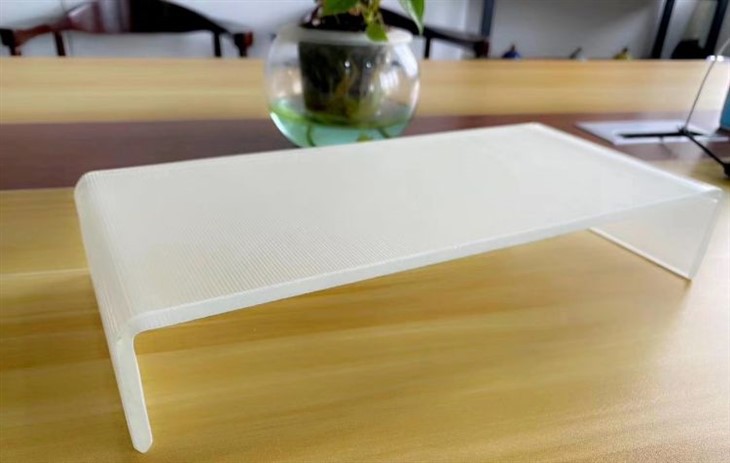
We also offer a variety of customization options. If you're looking for a different look or need enhanced insulation properties, we can tailor the glass according to your requirements. Our Sandblasted U Profile Glass and Frosted Channel Glass are some of the great alternatives we provide. Click on the links to explore more about these products: Sandblasted U Profile Glass and Frosted Channel Glass.
Conclusion
Preventing condensation on frosted U channel glass is all about understanding the causes and taking the right steps. By improving ventilation, controlling indoor humidity, insulating the glass, selecting the right type of glass, and maintaining it properly, you can significantly reduce the chances of condensation.
If you're in the market for high - quality frosted U channel glass or any of our related products, don't hesitate to reach out. We're here to provide you with the best solutions for your projects. Whether you're an architect, a builder, or a homeowner, we've got the glass that meets your needs. Contact us to start a discussion about your requirements and let's work together to make your project a success.
References
- Building Science Corporation. "Understanding Condensation."
- Glass Association of North America. "Best Practices for Glass Installation and Maintenance."
- American Society of Heating, Refrigerating and Air - Conditioning Engineers (ASHRAE). "ASHRAE Handbook of Fundamentals."