

How does Wired U Shape Glass perform in high - temperature environments?
As a supplier of Wired U Shape Glass, I've seen firsthand the growing popularity of this innovative building material in various construction projects. One question that often arises is how Wired U Shape Glass performs in high - temperature environments. In this blog post, we'll explore the scientific aspects of Wired U Shape Glass's behavior under high temperatures, drawing on real - world applications and industry research.
Thermal Properties of Wired U Shape Glass
Wired U Shape Glass is a unique type of glass characterized by its U - shaped profile and the inclusion of a wire mesh within the glass structure. These features contribute significantly to its thermal performance.
The glass itself is made from a high - quality silica - based composition. Silica glass has relatively good thermal stability. It can withstand elevated temperatures before it starts to show signs of softening. The wire mesh embedded in the glass serves multiple purposes. Structurally, it enhances the glass's strength, preventing it from shattering completely in case of breakage. In high - temperature environments, the wire mesh also plays a role in distributing heat more evenly across the glass surface.
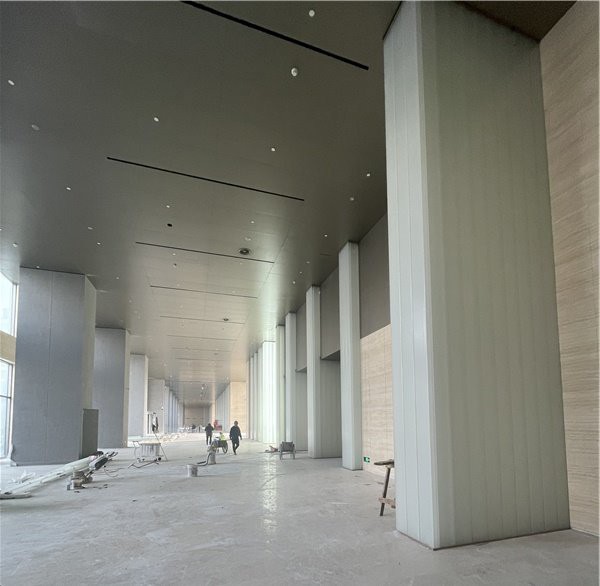
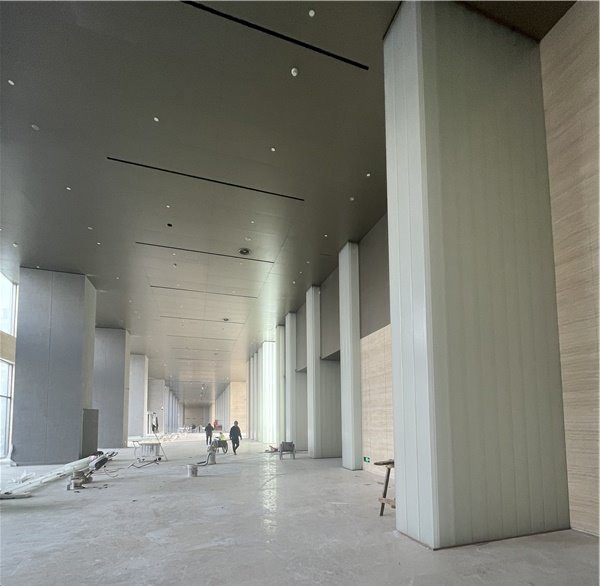
When exposed to high temperatures, most conventional glass may experience thermal stress. As different parts of the glass heat up at different rates, thermal stress can cause the glass to crack or break. However, the wire mesh in Wired U Shape Glass helps mitigate this effect. It acts as a reinforcement, holding the glass together even when thermal stress is present. This means that Wired U Shape Glass is less likely to experience catastrophic failure in high - temperature situations compared to non - wired glass.
Real - World Applications in High - Temperature Settings
There are several real - world examples where Wired U Shape Glass has been used in high - temperature environments. Industrial plants often require building materials that can withstand the heat generated by machinery and production processes. In these settings, Wired U Shape Glass is used for partitions and windows.
For instance, in a steel manufacturing plant, the high - temperature furnaces produce a significant amount of heat. Wired U Shape Glass partitions are installed to separate different work areas while allowing some visibility. The glass can tolerate the high - temperature radiations and the fluctuations in temperature that occur during the production process. The wire mesh keeps the glass intact, even if there are minor thermal shock events.
Another application is in large - scale kitchens, such as those in commercial restaurants or food processing facilities. These kitchens generate a lot of heat from stoves, ovens, and other cooking equipment. Wired U Shape Glass is used for the kitchen's interior partitions and windows. It provides a barrier against the heat and steam, while also being visually appealing. The thermal stability of the glass ensures that it doesn't warp or break under continuous exposure to high temperatures.
Comparison with Other Glass Types
When compared to other types of glass commonly used in construction, Wired U Shape Glass has distinct advantages in high - temperature environments. Take, for example, float glass, which is widely used for windows in residential and commercial buildings. Float glass has a relatively low resistance to thermal stress. In high - temperature situations, it can easily crack due to uneven heating. This is because it lacks the reinforcement provided by the wire mesh in Wired U Shape Glass.
Laminated glass is another option. While laminated glass has good structural integrity and can withstand some impact, its thermal performance in extreme high - temperature environments may not be as good as that of Wired U Shape Glass. The interlayer in laminated glass may start to soften or degrade at high temperatures, which could affect the overall performance of the glass.
In contrast, Wired U Shape Glass maintains its shape and integrity better in high - temperature scenarios. The wire mesh continues to support the glass structure, and the silica - based glass composition resists melting or excessive deformation.
How Wired U Shape Glass Compares to Similar Wired Glass Products
In our product range, we also offer Wired C Channel Glass and Wired Channel Glass. While all these wired glass products have the common feature of wire reinforcement, their performance in high - temperature environments varies slightly.
Wired C Channel Glass has a different shape, which can affect its heat distribution patterns. The C - shape may cause heat to accumulate in certain areas more than others. However, like Wired U Shape Glass, the wire mesh helps in preventing shattering.
Wired Channel Glass, on the other hand, has a more general channel - like shape. Its thermal performance is similar to that of Wired U Shape Glass, but the U - shape of our Wired U Shape Glass provides a more uniform heat dissipation in many cases. The U - shape allows for better air circulation around the glass, which can help in reducing the overall temperature of the glass in high - temperature environments.
Factors Affecting Performance in High - Temperature Environments
Several factors can influence how Wired U Shape Glass performs in high - temperature settings. The thickness of the glass is an important factor. Thicker glass generally has a higher heat capacity, which means it can absorb more heat before reaching its softening point. However, thicker glass may also experience more significant thermal stress if the heating is uneven.
The quality of the wire mesh is another crucial factor. A high - quality wire mesh with a proper grid pattern will distribute heat more effectively and provide better reinforcement. If the wire mesh is of poor quality or has a non - uniform grid, it may not perform as well in preventing the glass from breaking under thermal stress.
The duration of exposure to high temperatures also matters. Short - term exposure to very high temperatures may be tolerated better than long - term exposure to moderately high temperatures. Continuous exposure can gradually degrade the glass and the wire mesh over time.
Maintenance and Long - Term Performance
To ensure the long - term performance of Wired U Shape Glass in high - temperature environments, proper maintenance is essential. Regular cleaning is important to remove any dirt or debris that may accumulate on the glass surface. Dirt can act as an insulator, causing the glass to heat up more quickly in high - temperature situations.
Inspecting the wire mesh for any signs of corrosion or damage is also necessary. Corroded wire mesh may lose its strength and effectiveness in holding the glass together. If any damage is detected, it should be addressed promptly to prevent further deterioration of the glass's performance.
Conclusion
In conclusion, Wired U Shape Glass exhibits excellent performance in high - temperature environments. Its unique combination of a high - quality silica - based glass composition and wire mesh reinforcement makes it a reliable choice for construction projects where heat resistance is required. Whether it's in industrial plants, commercial kitchens, or other high - temperature settings, Wired U Shape Glass can withstand the heat while maintaining its structural integrity.
If you're involved in a construction project that requires a glass material with good high - temperature performance, Wired U Shape Glass is a great option. We, as a supplier, are committed to providing high - quality Wired U Shape Glass products and excellent customer service. If you have any questions about our products or want to discuss a potential purchase, please don't hesitate to reach out. We're here to assist you in finding the best glass solution for your project.
References
- ASTM International. "Standard Test Methods for Thermal Expansion of Glass." ASTM C372 - 18.
- American Glass Research Corporation. "Properties and Applications of Wired Glass."
- International Association of Structural Glass. "Guidelines for the Use of Glass in High - Temperature Environments."