

How does Wired U Shape Glass compare to other types of glass in terms of cost?
When it comes to architectural glass solutions, the choice of glass type can significantly impact both the aesthetic appeal and the budget of a project. As a supplier of Wired U Shape Glass, I've had numerous discussions with architects, contractors, and developers about the cost - effectiveness of this unique glass product compared to other types of glass. In this blog, I'll delve into a detailed comparison of Wired U Shape Glass with other common glass types in terms of cost.
Initial Purchase Cost
The initial purchase cost of glass is often the first consideration for many projects. Wired U Shape Glass, also known as Wired U Shape Glass, has its own price point that is influenced by several factors.
One of the primary cost - influencing factors is the manufacturing process. Wired U Shape Glass is a specialized product. The production involves shaping the glass into a U - profile and embedding a wire mesh within it. This additional manufacturing step makes it more expensive than basic float glass, which is a flat, unadorned glass produced by floating molten glass on a bed of molten metal. Float glass is mass - produced and has a relatively simple manufacturing process, resulting in a lower per - square - foot cost.
However, when compared to some high - end specialty glasses like laminated glass or tempered glass, the cost of Wired U Shape Glass can be more competitive. Laminated glass consists of two or more layers of glass bonded together with a plastic interlayer. This process adds to the production cost. Tempered glass, on the other hand, undergoes a heat - treatment process to increase its strength, which also raises its price.
For example, in a small - scale commercial project, if the budget is tight, basic float glass might seem like the most economical choice at first glance. But for projects that require both strength and a unique visual appeal, Wired U Shape Glass can offer a good balance between cost and functionality. The wire mesh in the Wired U Shape Glass provides additional strength, reducing the need for additional structural support in some cases, which can offset the higher initial purchase cost.
Installation Cost
Installation cost is another crucial aspect when comparing different glass types. Wired U Shape Glass has some unique installation requirements that can affect the overall cost.
The U - shape of the glass allows for a self - supporting installation in many cases. This means that less framing and structural support are needed compared to flat glass, which often requires a more elaborate framing system. For instance, when installing large panels of flat glass, a heavy - duty metal or wooden frame must be constructed to hold the glass in place. This adds to the material and labor costs of installation.
In contrast, Wired U Shape Glass can be installed in a more straightforward manner. The glass panels can be stacked and joined together, creating a continuous wall or partition. This reduced need for complex framing can result in significant savings on installation costs.
However, the installation of Wired U Shape Glass does require skilled labor. The glass must be handled carefully to avoid damage to the wire mesh and the glass itself. If the installation is not done correctly, it can lead to issues such as leaks or structural instability. In comparison, some other glass types like standard float glass are more forgiving during installation, and less - skilled labor can be used, potentially reducing the labor cost. But the long - term savings from the self - supporting installation of Wired U Shape Glass often outweigh the initial need for skilled labor.
Maintenance Cost
Maintenance cost is an often - overlooked factor when considering the cost of different glass types. Wired U Shape Glass has some advantages in this regard.
The wire mesh embedded in the Wired U Shape Glass provides an extra layer of protection. It makes the glass more resistant to breakage from impacts, reducing the likelihood of costly repairs or replacements. In high - traffic areas or areas prone to vandalism, this can result in significant long - term savings.
Compared to glass types like clear float glass, which can easily crack or shatter upon impact, Wired U Shape Glass is more durable. Float glass may need to be replaced more frequently, especially in areas where there is a risk of accidental damage.
In terms of cleaning, Wired U Shape Glass is relatively easy to maintain. The U - shape design allows for easy access to both sides of the glass for cleaning. Unlike some curved or textured glasses, which can be difficult to clean and may require special cleaning equipment, Wired U Shape Glass can be cleaned using standard glass - cleaning products and tools.
On the other hand, some specialty glasses like coated glass may require special cleaning agents and procedures to maintain their coating. These additional cleaning requirements can add to the long - term maintenance cost.
Energy - Efficiency and Cost Savings
Energy efficiency is an important consideration in modern construction, and it can also impact the overall cost of using different glass types.
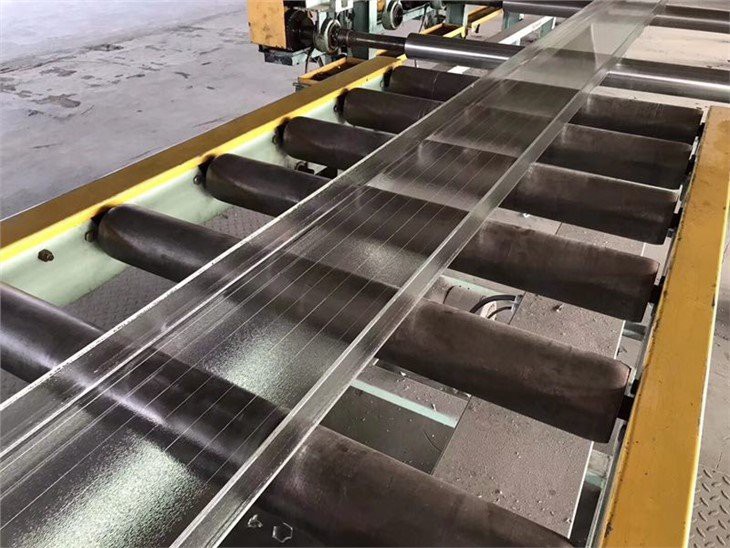
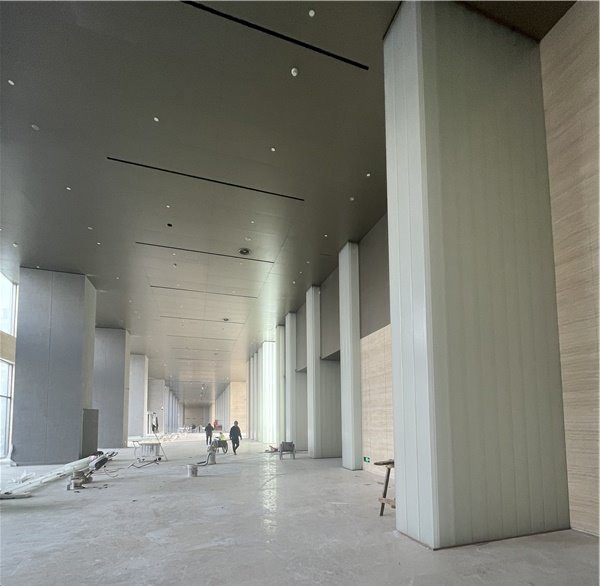
Wired U Shape Glass has some inherent energy - efficient properties. The U - shape design creates a natural air pocket within the glass, which acts as an insulator. This can help reduce heat transfer between the interior and exterior of a building, resulting in lower heating and cooling costs.
In comparison, single - pane float glass has very poor insulation properties. It allows heat to pass through easily, leading to higher energy consumption to maintain a comfortable indoor temperature. Double - pane or triple - pane glass is often used to improve energy efficiency, but these options come with a higher initial cost.
The energy - efficiency of Wired U Shape Glass can result in significant long - term cost savings. Over the lifespan of a building, the reduced energy consumption can offset the initial purchase and installation costs of the glass. For example, in a large - scale commercial building, the energy savings from using Wired U Shape Glass can amount to thousands of dollars over several years.
Conclusion
In conclusion, when comparing Wired U Shape Glass to other types of glass in terms of cost, it's clear that there are multiple factors to consider. While the initial purchase cost of Wired U Shape Glass may be higher than basic float glass, its advantages in installation, maintenance, energy efficiency, and durability can result in significant long - term cost savings.
The self - supporting installation of Wired U Shape Glass reduces the need for complex framing, saving on installation costs. Its resistance to breakage and ease of cleaning lower the maintenance cost. And its energy - efficient properties lead to reduced energy consumption over time.
If you're an architect, contractor, or developer looking for a glass solution that offers a unique combination of style, strength, and cost - effectiveness, I encourage you to consider Wired U Shape Glass. You can learn more about our Wired U Shape Glass, Wired Channel Glass, and Wired C Channel Glass products on our website. Feel free to reach out to us to discuss your project requirements and explore how Wired U Shape Glass can fit into your budget. We're here to assist you in making the best choice for your next construction project.
References
- Building Glass and Glazing Handbook, various authors
- Architectural Glass: Selection and Specification, industry publication
- Energy - Efficient Glass Solutions in Modern Construction, research report