

How does Wired U Shape Glass compare to laminated glass?
As a supplier of Wired U Shape Glass, I've witnessed firsthand the growing interest in architectural glazing solutions. One common question that often arises is how Wired U Shape Glass compares to laminated glass. In this blog post, I'll delve into the characteristics, advantages, and applications of both types of glass to help you make an informed decision for your next project.
Physical Characteristics
Wired U Shape Glass
Wired U Shape Glass, also known as Wired U Glass or Wired Channel Glass, is a type of structural glass with a distinctive U-shaped cross-section. It is typically made by embedding a wire mesh within the glass during the manufacturing process. This wire mesh provides additional strength and safety, as it holds the glass together in the event of breakage, preventing large shards from falling.
The U-shaped profile of the glass gives it inherent rigidity, allowing it to be used as a self-supporting wall system without the need for additional framing in many applications. It comes in various thicknesses and sizes, offering flexibility in design. The wire mesh also adds a unique aesthetic element, creating a subtle pattern that can enhance the visual appeal of the building.
Laminated Glass
Laminated glass consists of two or more layers of glass bonded together with an interlayer, usually made of polyvinyl butyral (PVB). The interlayer holds the glass layers together when the glass is broken, reducing the risk of injury from flying shards. Laminated glass can be made in different thicknesses and configurations, depending on the specific requirements of the project.
One of the key advantages of laminated glass is its ability to provide excellent sound insulation. The interlayer dampens sound waves, making it an ideal choice for buildings located in noisy environments, such as near airports or busy streets. It also offers good security features, as it is more difficult to break through compared to single-pane glass.
Performance Comparison
Strength and Safety
Both Wired U Shape Glass and laminated glass offer enhanced safety features. Wired U Shape Glass, with its embedded wire mesh, holds the glass fragments together when broken, reducing the risk of injury. However, the wire mesh may not prevent the glass from cracking or shattering under extreme force.
Laminated glass, on the other hand, provides a higher level of safety in most cases. The PVB interlayer holds the glass layers firmly together, even when the glass is severely damaged. It can withstand significant impact without breaking into sharp pieces, making it suitable for applications where safety is a top priority, such as in schools, hospitals, and commercial buildings.
Thermal Performance
In terms of thermal performance, laminated glass generally has an edge over Wired U Shape Glass. The interlayer in laminated glass acts as an insulator, reducing heat transfer through the glass. This can help to improve the energy efficiency of a building, reducing heating and cooling costs.
Wired U Shape Glass, while it can provide some insulation, may not be as effective as laminated glass in this regard. However, the U-shaped profile of the glass can help to create a thermal break, reducing heat loss through the edges of the glass.
Sound Insulation
Laminated glass is well-known for its excellent sound insulation properties. The PVB interlayer absorbs and dampens sound waves, providing a quiet indoor environment. This makes it a popular choice for buildings where noise reduction is important, such as recording studios, hotels, and residential buildings near noisy areas.

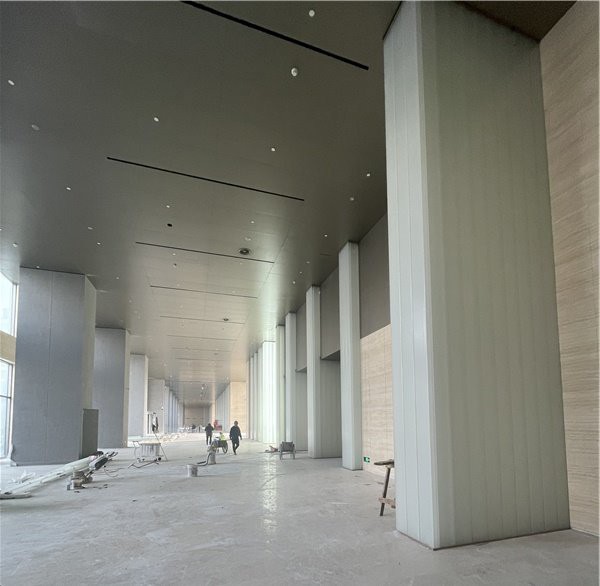
Wired U Shape Glass offers some sound insulation, but it is not as effective as laminated glass. The open U-shaped profile allows sound to pass through more easily compared to the sealed layers of laminated glass.
Aesthetics
The aesthetic appeal of Wired U Shape Glass and laminated glass is a matter of personal preference. Wired U Shape Glass, with its wire mesh and U-shaped profile, creates a unique and industrial look. It can add a modern and architectural element to a building, making it stand out.
Laminated glass, on the other hand, offers a more seamless and transparent appearance. It can be used to create a sleek and contemporary look, allowing for unobstructed views. Laminated glass can also be tinted or coated to achieve different visual effects.
Applications
Wired U Shape Glass
Wired U Shape Glass is commonly used in architectural applications where a unique and self-supporting glazing solution is required. It is often used for exterior walls, partitions, and skylights. The U-shaped profile of the glass allows for creative design possibilities, such as creating curved or angled walls.
It is also suitable for applications where safety is a concern, but the need for sound insulation and high thermal performance is not as critical. For example, it can be used in industrial buildings, schools, and public facilities.
Laminated Glass
Laminated glass is widely used in a variety of applications, including residential, commercial, and automotive. In buildings, it is commonly used for windows, doors, and curtain walls. Its sound insulation and safety features make it a popular choice for high-rise buildings, hotels, and hospitals.
In the automotive industry, laminated glass is used for windshields to provide safety and protection for passengers. It is also used in some specialty applications, such as museum display cases and bulletproof glass.
Cost Considerations
The cost of Wired U Shape Glass and laminated glass can vary depending on several factors, such as the size, thickness, and quality of the glass. Generally, Wired U Shape Glass is more cost-effective compared to laminated glass, especially for large-scale projects. The self-supporting nature of Wired U Shape Glass can also reduce the overall installation costs, as it may not require extensive framing.
Laminated glass, on the other hand, is typically more expensive due to the additional manufacturing process involved in bonding the glass layers with the interlayer. However, the long-term benefits, such as energy savings and enhanced safety, may justify the higher initial cost in some cases.
Conclusion
In conclusion, both Wired U Shape Glass and laminated glass have their own unique advantages and applications. Wired U Shape Glass offers a self-supporting and aesthetically distinctive glazing solution, suitable for projects where a modern and industrial look is desired. It provides good strength and safety features at a relatively lower cost.
Laminated glass, on the other hand, excels in sound insulation, security, and thermal performance. It is a versatile option that can be used in a wide range of applications, especially where noise reduction and safety are top priorities.
When choosing between Wired U Shape Glass and laminated glass, it is important to consider the specific requirements of your project, including performance, aesthetics, and budget. If you have any questions or need further information about Wired U Shape Glass, feel free to contact me for a detailed discussion and to explore how it can meet your needs.
References
- Glass Association of North America. (2023). Technical Information on Glass Products.
- Architectural Glass Magazine. (2023). Guide to Glazing Materials.