

How does Wired C Channel Glass react to chemicals?
Hey there! As a supplier of Wired C Channel Glass, I've gotten a bunch of questions about how this awesome glass reacts to chemicals. So, I thought I'd sit down and write this blog to share some insights.
First off, let's talk a bit about what Wired C Channel Glass is. It's a unique type of glass that has a wired structure inside, which gives it added strength and durability. The C - channel shape is great for various architectural and decorative applications. You can use it for partitions, facades, and even interior design elements.
Now, when it comes to chemicals, the reaction of Wired C Channel Glass depends on the type of chemical it comes into contact with. Let's start with acids.
Reaction to Acids
Acids can have different effects on Wired C Channel Glass. Weak acids, like acetic acid (the stuff in vinegar), usually don't cause much harm. You can spill a little vinegar on the glass, and chances are, you can just wipe it off without any long - term damage. The glass is pretty resistant to mild acidic environments.
However, strong acids are a different story. Hydrochloric acid, sulfuric acid, and nitric acid can be quite corrosive. These acids can react with the components of the glass over time. The silicon dioxide in the glass, which is a major component, can start to break down when exposed to concentrated strong acids. This can lead to pitting, etching, and a loss of the glass's transparency.
For example, if you accidentally spill concentrated hydrochloric acid on Wired C Channel Glass, you'll notice that the surface starts to look dull and rough. The acid eats away at the glass, and it can be difficult to restore the glass to its original condition. So, in industrial settings where strong acids are present, it's important to take precautions to protect the glass.
Reaction to Bases
Bases also have an impact on Wired C Channel Glass. Weak bases, such as sodium bicarbonate (baking soda), are generally safe for the glass. You can use a solution of baking soda and water to clean the glass, and it won't cause any damage. In fact, it can help remove dirt and grime.
But strong bases, like sodium hydroxide (lye), can be very reactive with the glass. Strong bases can attack the glass's surface, causing it to become cloudy and brittle. Over time, the base can penetrate the glass and weaken its structure. This is why in some chemical manufacturing plants, where strong bases are used, special coatings or protective barriers are often applied to the Wired C Channel Glass.
Reaction to Organic Solvents
Organic solvents are another category of chemicals that can interact with Wired C Channel Glass. Solvents like acetone, ethanol, and toluene are commonly used in various industries.
Acetone is a powerful solvent that can dissolve some types of adhesives and residues on the glass. It's often used for cleaning purposes. In most cases, short - term exposure to acetone won't cause any significant damage to the Wired C Channel Glass. But if the glass is constantly submerged in acetone or exposed to high concentrations for a long time, it can start to affect the glass's surface finish.
Ethanol is a relatively milder solvent. It's commonly used in cleaning solutions for glass. It can effectively remove fingerprints, grease, and other contaminants without harming the glass. Toluene, on the other hand, is a more aggressive solvent. It can cause swelling and cracking in some types of plastics, and in the case of glass, it can also have a negative impact on the surface if exposed for extended periods.
Impact of Chemical Exposure on the Wired Structure
The wired structure inside the Wired C Channel Glass also plays a role in how the glass reacts to chemicals. The wire is usually made of a metal, like steel. Some chemicals can cause the wire to rust or corrode. For example, in a humid environment with the presence of salts or acids, the wire can start to oxidize. This can not only affect the appearance of the glass but also its structural integrity.
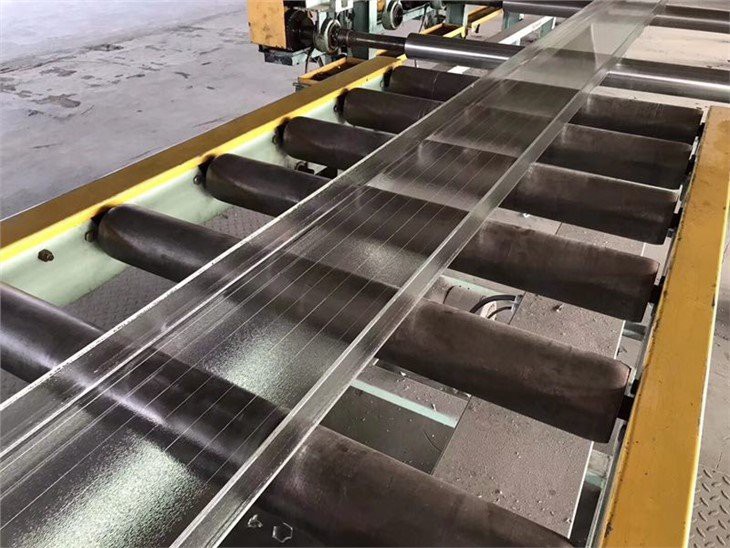

If the wire corrodes, it loses its strength, and the overall support it provides to the glass is reduced. This can make the glass more prone to breakage. So, it's important to consider the environment where the glass will be installed and take steps to protect the wire from chemical corrosion.
Protecting Wired C Channel Glass from Chemicals
There are several ways to protect Wired C Channel Glass from chemical damage. One option is to apply a protective coating. There are various types of coatings available on the market, such as silicone - based coatings and fluoropolymer coatings. These coatings can act as a barrier between the glass and the chemicals, preventing direct contact and reducing the risk of corrosion.
Another approach is to use proper ventilation in areas where chemicals are present. Good ventilation helps to reduce the concentration of chemicals in the air, which in turn reduces the likelihood of chemical exposure to the glass.
Regular cleaning and maintenance are also crucial. By cleaning the glass regularly with mild cleaning agents, you can remove any chemical residues before they have a chance to cause damage.
Similar Products in Our Catalog
If you're interested in other types of wired glass products, we also offer Ultra White Wired U Profile Glass, Wired U Glass, and Wired U Shape Glass. These products have their own unique features and applications, and they also have different chemical resistance properties.
Contact Us for Procurement
If you're in the market for Wired C Channel Glass or any of our other glass products, we'd love to hear from you. Whether you're an architect working on a new project, a contractor looking for high - quality building materials, or a designer in need of unique glass elements, we can provide you with the right solutions. Contact us to start a discussion about your requirements and get a quote.
References
- "Handbook of Glass Properties" by D. E. Day
- "Chemical Resistance of Glass" - Industry research report from a leading glass manufacturer.