

How does Wired C Channel Glass perform in cold climates?
How does Wired C Channel Glass perform in cold climates?
As a supplier of Wired C Channel Glass, I've witnessed firsthand the growing interest in this product, especially in regions with cold climates. In this blog, I'll delve into the performance of Wired C Channel Glass in cold environments, exploring its unique properties and benefits.
1. Structural Integrity in Cold Temperatures
One of the primary concerns in cold climates is the structural integrity of building materials. Wired C Channel Glass, available at Wired C Channel Glass, is designed to withstand the challenges posed by low temperatures. The embedded wire mesh within the glass provides additional strength and reinforcement, preventing the glass from shattering into dangerous shards if it is damaged.
In cold weather, materials tend to contract. Wired C Channel Glass has a relatively low coefficient of thermal expansion, which means it expands and contracts less compared to some other types of glass. This property reduces the stress on the glass due to temperature changes, minimizing the risk of cracking or breakage. For example, in a building located in a region where winter temperatures can drop to -20°C or lower, Wired C Channel Glass maintains its structural integrity, providing a reliable and safe glazing solution.
2. Insulation Properties
Insulation is crucial in cold climates to keep the interior of a building warm and reduce energy consumption. Wired C Channel Glass offers good insulation performance. The channel shape of the glass creates an air cavity, which acts as a natural insulator. Air is a poor conductor of heat, so this air cavity helps to slow down the transfer of heat from the inside of the building to the outside.
Compared to traditional flat glass, the channel design of Wired C Channel Glass increases the surface area of the glass in contact with the air cavity, enhancing its insulating capabilities. Additionally, the wire mesh in the glass can also contribute to insulation by reducing the movement of heat through the glass. This means that buildings using Wired C Channel Glass can maintain a more stable indoor temperature, even in extremely cold weather. For instance, in a commercial building with large glass facades made of Wired C Channel Glass, the energy bills for heating during the winter months can be significantly reduced.
3. Condensation Resistance
Condensation can be a major problem in cold climates, as it can lead to moisture damage, mold growth, and reduced visibility through the glass. Wired C Channel Glass has good condensation resistance. The insulation properties of the glass help to keep the surface temperature of the glass closer to the indoor temperature, reducing the likelihood of condensation forming on the glass surface.
The channel shape of the glass also allows for better drainage of any moisture that may accumulate. If condensation does occur, the channels can direct the water downwards, preventing it from pooling on the glass and causing damage. This is particularly important in buildings such as hospitals, schools, and commercial spaces, where moisture control is essential for the health and safety of occupants.
4. Comparison with Other Channel Glass Types
When considering glass options for cold climates, it's important to compare Wired C Channel Glass with other types of channel glass, such as Wired U Glass and U Profile Channel Glass.
Wired U Glass has a U-shaped profile, which may offer different insulation and structural characteristics compared to the C-shaped profile of Wired C Channel Glass. The U-shaped profile can provide a larger air cavity, potentially offering better insulation in some cases. However, the Wired C Channel Glass may be more suitable for certain architectural designs and installation requirements.
U Profile Channel Glass, without the embedded wire mesh, may be less resistant to breakage compared to Wired C Channel Glass. In cold climates, where the risk of damage due to temperature changes and external impacts is higher, the wire mesh in Wired C Channel Glass provides an added layer of protection.
5. Installation Considerations in Cold Climates
When installing Wired C Channel Glass in cold climates, there are several important considerations. First, the installation should be carried out by experienced professionals who are familiar with the specific requirements of cold-weather installations. The sealants and gaskets used in the installation should be suitable for low temperatures to ensure a proper seal and prevent air and water leakage.

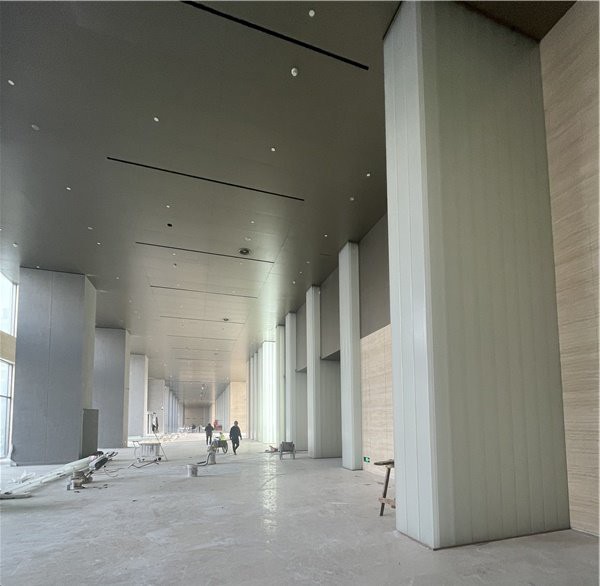
During the installation process, the glass should be handled carefully to avoid any damage. Cold temperatures can make the glass more brittle, so extra precautions should be taken when lifting and positioning the glass. Additionally, the installation should be timed to avoid extremely cold days, as the cold can affect the curing process of the sealants and adhesives.
6. Maintenance in Cold Climates
Maintaining Wired C Channel Glass in cold climates is relatively straightforward. Regular cleaning of the glass surface can help to maintain its appearance and performance. However, it's important to use cleaning products that are suitable for glass and cold temperatures. Harsh chemicals or abrasive cleaners should be avoided, as they can damage the glass and the wire mesh.
Inspecting the glass and the installation regularly for any signs of damage, such as cracks or loose seals, is also important. If any issues are detected, they should be addressed promptly to prevent further damage and ensure the continued performance of the glass.
Conclusion
In conclusion, Wired C Channel Glass performs exceptionally well in cold climates. Its structural integrity, insulation properties, condensation resistance, and other features make it an ideal choice for buildings in regions with low temperatures. Whether it's a residential home, a commercial building, or an institutional facility, Wired C Channel Glass can provide a reliable and energy-efficient glazing solution.
If you're interested in using Wired C Channel Glass for your next project, especially in a cold climate, I encourage you to reach out for a detailed discussion. We can provide you with more information about the product, its specifications, and how it can be customized to meet your specific needs. Let's work together to create a building that is not only beautiful but also highly functional in cold weather conditions.
References
- Glass Association of North America. (2023). Technical Guidelines for Glass Installation in Cold Climates.
- Building Science Corporation. (2022). Insulation Performance of Channel Glass in Cold Weather.
- Architectural Glass Manufacturers Association. (2021). Safety and Structural Integrity of Wired Glass in Low Temperatures.