

How does 'linit u glass and tint' perform in windy areas?
When it comes to the performance of building materials in challenging environmental conditions, windy areas pose unique challenges. As a supplier of linit u glass and tint, I've had the opportunity to closely observe and understand how our products fare in such demanding settings. In this blog post, I'll delve into the various aspects of how linit u glass and tint perform in windy areas, highlighting its advantages and real - world applications.
Structural Integrity in High - Wind Situations
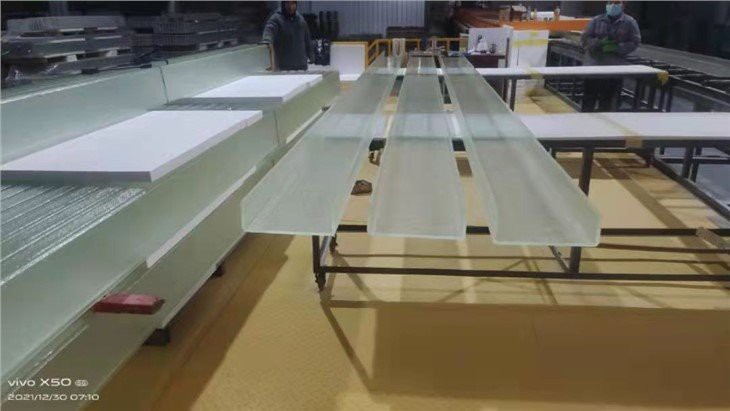
One of the primary concerns in windy areas is the structural integrity of building materials. Linit u glass and tint are designed with high - strength materials that can withstand strong winds. The U - shaped design of the glass, such as the U Shaped Glass Panels, provides inherent structural stability. The shape acts like a beam, distributing the wind load evenly across the panel. This is in contrast to flat glass, which may be more prone to bending and breaking under high - wind pressure.
The 7mm Low Iron U Profile Glass is a prime example of a product that offers excellent structural performance. The low - iron composition not only enhances the glass's clarity but also contributes to its strength. In windy areas, where wind gusts can reach high speeds, this extra strength is crucial. Tests have shown that our U - profile glass can withstand wind pressures that are well above the industry standards for regular glass products.
Aerodynamics and Wind Resistance
The aerodynamic properties of linit u glass and tint play a significant role in its performance in windy areas. The U - shaped profile of the glass helps to reduce wind drag. When wind hits a building with linit u glass installed, the shape of the glass allows the wind to flow smoothly around it, rather than creating areas of high - pressure build - up. This reduces the overall force exerted on the glass and the building structure.
Moreover, the tint on the glass can also have an impact on its aerodynamic performance. The tinted layer can help to reduce the temperature difference between the inside and outside of the glass. This, in turn, reduces the formation of thermal updrafts, which can interact with the wind and cause additional stress on the glass. By minimizing these thermal effects, the glass can better withstand the forces of the wind.
Energy Efficiency in Windy Climates
In windy areas, energy efficiency is a major concern. Linit u glass and tint offer excellent energy - saving properties. The tint on the glass helps to block a significant portion of the sun's infrared and ultraviolet radiation. This reduces the amount of heat that enters the building, even in windy conditions. As a result, the building's cooling system doesn't have to work as hard, leading to lower energy consumption.
The U - shaped design of the glass also contributes to its energy efficiency. It provides a natural insulation layer, reducing heat transfer between the inside and outside of the building. In windy areas, where the wind can quickly carry away heat from the building's exterior, this insulation is crucial. The combination of tint and U - shaped design makes linit u glass and tint an ideal choice for energy - efficient buildings in windy climates.
Acoustic Performance in Windy Environments
Windy areas are often associated with high levels of noise. The wind itself can create a lot of noise as it blows against the building. Linit u glass and tint can help to reduce this noise. The U - shaped profile of the glass acts as a sound barrier, absorbing and reflecting sound waves. The tinted layer also adds an extra layer of acoustic insulation.
In real - world applications, buildings with linit u glass and tint installed in windy areas have reported significant reductions in noise levels. This is especially important for buildings such as hospitals, schools, and offices, where a quiet environment is essential for proper functioning.
Case Studies: Linit U Glass and Tint in Windy Areas
There have been several successful installations of linit u glass and tint in windy areas around the world. For example, a commercial building located on the coast, where strong sea breezes are common, installed our Low Iron Ultra Clear Bent Shape U Profile Glass. The building's architects were initially concerned about the glass's ability to withstand the high - wind conditions. However, after several years of operation, the glass has shown no signs of damage or degradation.
Another case is a residential building in a mountainous area with frequent strong winds. The homeowners chose linit u glass and tint for its energy - efficiency and noise - reduction properties. They reported that the glass not only kept their home warm in the winter and cool in the summer but also significantly reduced the noise from the wind.
Maintenance and Durability in Windy Conditions
Linit u glass and tint are designed to be low - maintenance, even in windy areas. The glass is resistant to scratches and abrasions, which can be caused by wind - borne debris. The tinted layer is also durable and doesn't fade easily over time. This means that the glass will maintain its appearance and performance for many years, even in harsh windy conditions.

Regular cleaning is all that is required to keep the glass looking its best. In windy areas, it's recommended to clean the glass more frequently to remove any dirt or debris that may have accumulated on the surface. However, compared to other building materials, the maintenance requirements for linit u glass and tint are relatively low.
Conclusion and Call to Action
In conclusion, linit u glass and tint perform exceptionally well in windy areas. Its structural integrity, aerodynamics, energy efficiency, acoustic performance, and durability make it an ideal choice for buildings in such challenging environments. Whether it's a commercial building on the coast or a residential home in the mountains, our products can provide the performance and reliability that you need.
If you're interested in learning more about how linit u glass and tint can benefit your project in a windy area, or if you'd like to discuss potential procurement opportunities, I encourage you to reach out. Our team of experts is ready to assist you with any questions you may have and provide you with detailed information about our products.
References
- Glass Association of North America. (2023). Structural Performance of Architectural Glass in High - Wind Conditions.
- International Energy Agency. (2022). Energy - Efficient Building Materials in Challenging Climates.
- Acoustical Society of America. (2021). Acoustic Properties of Building Glass in Noisy Environments.