

How does Frosted U Channel Glass affect the ventilation of a building?
Hey there! I'm a supplier of Frosted U Channel Glass, and today I wanna talk about how this cool glass affects the ventilation of a building.
First off, let's get to know Frosted U Channel Glass a bit. It's a unique type of glass that has a U - shaped profile. The frosted finish gives it an aesthetic appeal, diffusing light and adding a touch of privacy. We've got different kinds, like the 7mm Ultra Clear Frosted U Profile Glass, Frosted U Channel Glass For Stores, and Frosted Channel Glass.
Now, onto ventilation. Ventilation in a building is super important. It helps remove stale air, control humidity, and bring in fresh air. Good ventilation can make a space more comfortable and healthy for the people inside.
One of the key ways Frosted U Channel Glass impacts ventilation is through its installation. When we install this glass in a building, it can be used in different ways that either promote or restrict air movement.
If we use Frosted U Channel Glass in a curtain - wall system, it can actually enhance natural ventilation. In a curtain - wall setup, the glass panels are mounted on the exterior of the building. This allows for the creation of vents or openings between the glass panels. Fresh air can enter the building through these openings, and stale air can exit. For example, in a modern office building, we can install Frosted U Channel Glass in a way that there are small gaps at the top and bottom of the panels. As the wind blows, it creates a pressure difference. The higher pressure outside forces fresh air into the building through the lower vents, and the lower pressure inside the building at the upper levels helps push the stale air out. This natural ventilation system is energy - efficient because it doesn't rely on mechanical fans all the time.
However, if the Frosted U Channel Glass is installed as a solid wall with no openings or if the installation is not properly planned, it can restrict ventilation. For instance, in a small retail store, if the glass is installed in a way that there are no ventilation paths, the air inside the store can become stuffy. The lack of fresh air can lead to a build - up of odors, high humidity, and an uncomfortable environment for customers and employees.
Another aspect to consider is the thermal performance of Frosted U Channel Glass and its relation to ventilation. Frosted U Channel Glass has some insulating properties. It can reduce heat transfer between the inside and outside of the building. When the glass is well - insulated, it can affect the natural convection process that is crucial for ventilation.
In cold weather, the warm air inside the building rises. If the Frosted U Channel Glass is a good insulator, it can slow down the heat loss from the warm air near the glass surface. This can disrupt the normal upward movement of the warm air, which is part of the natural ventilation process. On the other hand, in hot weather, a well - insulated Frosted U Channel Glass can prevent the hot outside air from quickly heating up the interior. This means that the air inside the building stays cooler, and the need for mechanical ventilation to cool the space may be reduced.
The design of the building also plays a big role. If the building has a complex layout with Frosted U Channel Glass walls, it can create areas of poor ventilation. For example, in a multi - level building with Frosted U Channel Glass partitions on each floor, air may get trapped in certain corners. There may not be a direct path for the air to flow from one area to another, leading to stagnant air.
We can also use Frosted U Channel Glass in combination with other ventilation systems. For example, in a large industrial building, we can install the glass along with a mechanical ventilation system. The glass can act as a barrier to control the direction of the air flow created by the fans. We can use the glass to direct the fresh air to specific areas of the building and ensure that the stale air is efficiently removed.
Moreover, the transparency level of Frosted U Channel Glass can have an indirect effect on ventilation. The frosted finish reduces the amount of visible light that passes through the glass. This can influence the occupants' behavior. If the space feels darker due to the frosted glass, people may be more likely to open windows or use mechanical ventilation to make the space more comfortable. In contrast, if the glass allows enough light in and the space feels bright and open, people may be less likely to disrupt the natural ventilation process by over - using mechanical systems.
In a residential setting, Frosted U Channel Glass can be used in bathrooms or kitchens. In bathrooms, it can provide privacy while still allowing for some ventilation. We can install the glass with small vents near the top of the wall. This way, steam and moisture from the shower can escape, preventing mold and mildew growth. In kitchens, the glass can be used in a similar way. It can keep the cooking odors from spreading to other parts of the house while still allowing for proper air exchange.
When it comes to maintenance, Frosted U Channel Glass can also impact ventilation. If the glass is dirty or damaged, it can affect the performance of the ventilation system. For example, if dirt accumulates on the glass surface near the ventilation openings, it can block the air flow. A damaged glass panel may not fit properly, which can also disrupt the air movement. So, regular cleaning and inspection of the Frosted U Channel Glass are necessary to ensure that the ventilation system works as intended.
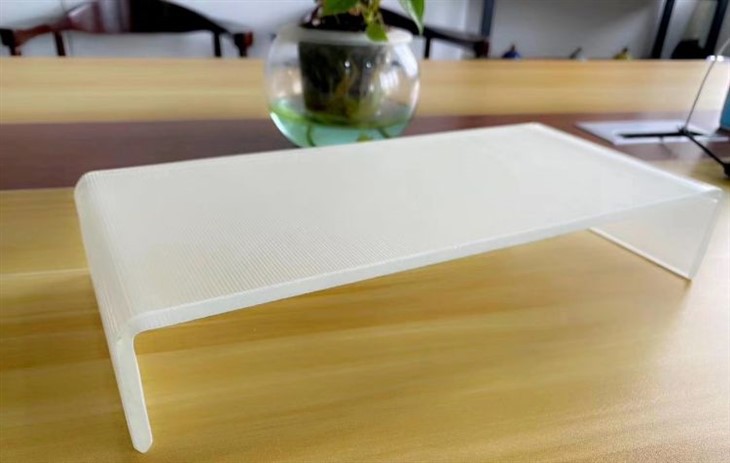

So, as you can see, Frosted U Channel Glass can have both positive and negative impacts on building ventilation. It all depends on how it's installed, the building design, and how it's used in combination with other ventilation systems.
If you're considering using Frosted U Channel Glass in your building project, I'd love to talk to you. Whether you're an architect, a builder, or a property owner, we can work together to find the best way to install the glass to optimize ventilation. Feel free to reach out and let's discuss your specific needs.
References
- ASHRAE Handbook of Fundamentals. This handbook provides in - depth information on building ventilation and the factors that affect it.
- Building Science Press publications. They have numerous articles and studies on the relationship between building materials and ventilation.