

How does Frosted C Channel Glass affect the acoustics in a room?
Hey there! As a supplier of Frosted C Channel Glass, I've been getting a lot of questions about how this unique product affects the acoustics in a room. So, I thought I'd dive into this topic and share some insights with you all.
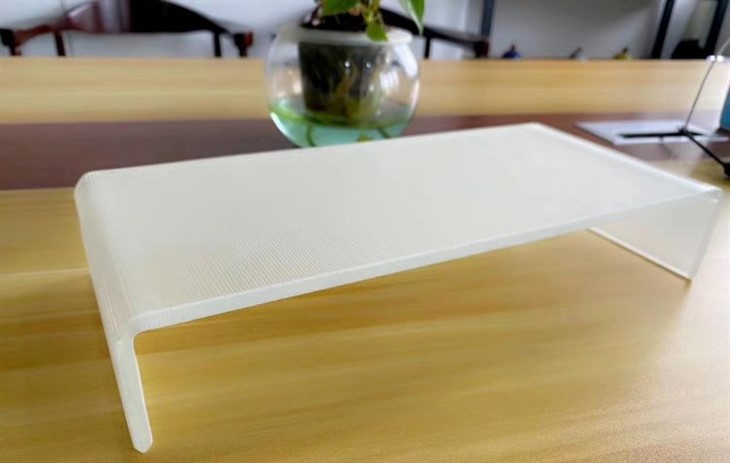
First off, let's talk a bit about what Frosted C Channel Glass is. It's a type of glass that has a C-shaped profile and a frosted finish. The frosted part gives it a bit of privacy while still allowing some light to pass through, which is pretty cool. You can check out more about it here: Frosted C Channel Glass.
Now, onto the main question: how does it impact room acoustics? Well, acoustics in a room depend on a bunch of factors like the size of the room, the materials on the walls, ceiling, and floor, and of course, any additional elements like furniture. Frosted C Channel Glass can play a significant role in all of this.
Sound Absorption
One of the key aspects of acoustics is sound absorption. When sound waves hit a surface, they can either be absorbed, reflected, or transmitted. Frosted C Channel Glass has a certain level of sound absorption capabilities. The frosted texture on the glass can disrupt the sound waves to some extent. When sound waves hit the uneven surface of the frosted glass, they scatter in different directions. This scattering process reduces the intensity of the sound waves and helps in absorbing some of the sound energy.
For example, in a large open - plan office where there's a lot of chatter and noise from equipment, installing Frosted C Channel Glass partitions can help absorb some of the sound. This creates a more peaceful and focused working environment. You can also use it in classrooms. With students constantly talking and moving around, the glass can absorb some of the excess noise, making it easier for the teacher to be heard.
Sound Reflection
On the flip side, Frosted C Channel Glass also reflects sound waves. Unlike sound absorption, reflection can sometimes cause problems in a room. If there are a lot of hard surfaces in a room, including Frosted C Channel Glass, sound waves can bounce back and forth between these surfaces. This can create echoes and reverberations, which can be quite annoying.
However, if used strategically, the reflective properties of the glass can be an advantage. In a concert hall or a theater, the glass can be placed in such a way that it reflects sound towards the audience. This can enhance the overall sound quality and make the performance more enjoyable.
Sound Transmission
Sound transmission is another important factor. Frosted C Channel Glass has a certain level of resistance to sound transmission. The thickness and quality of the glass play a big role here. Thicker glass generally has better sound - blocking capabilities.
In a residential setting, for instance, if you use Frosted C Channel Glass for a bathroom or a bedroom partition, it can help keep the noise from the bathroom (like the running water) from disturbing the rest of the house. Or, if you live near a busy street, using this glass for your windows can reduce the amount of traffic noise that enters your home.
Comparison with Other Glass Types
Let's compare Frosted C Channel Glass with some other glass types. For example, Frosted Channel Glass has a different profile. While both have a frosted finish, the C - shaped profile of Frosted C Channel Glass gives it a bit more structural integrity. In terms of acoustics, the shape can also affect how sound waves interact with the glass. The C - shape can potentially trap sound waves inside the channel to some degree, enhancing its sound - absorption properties.
Acid - Etched U Profile Glas is another option. Acid - etched glass has a smooth, uniform finish compared to the frosted texture of Frosted C Channel Glass. This means that the sound absorption capabilities might be different. The smooth surface of acid - etched glass might reflect sound waves more uniformly, while the frosted C Channel Glass scatters them.
Installation and Acoustics
The way Frosted C Channel Glass is installed also affects room acoustics. If it's installed with proper seals and gaskets, it can improve its sound - blocking capabilities. A well - sealed glass panel will prevent sound from leaking through the edges.
For example, in a recording studio, every bit of sound control matters. Installing Frosted C Channel Glass partitions with high - quality seals can ensure that the sound inside the studio stays in and the outside noise stays out. This is crucial for getting a clean and professional recording.
Real - World Applications
Let's look at some real - world examples of how Frosted C Channel Glass has been used to improve acoustics. In a modern art gallery, the glass was used to create partitions between different exhibition areas. The frosted finish gave the visitors a sense of privacy while still allowing them to see the art on the other side. The glass also helped in controlling the sound. With people walking around and talking, the glass absorbed and scattered the sound, preventing it from creating a chaotic noise environment.

In a hotel lobby, Frosted C Channel Glass was used for the reception area partition. This not only added a touch of elegance but also helped in reducing the noise from the lobby area from reaching the back - office spaces. The glass was installed with proper seals, and it did an excellent job of keeping the noise levels in check.
Conclusion
In conclusion, Frosted C Channel Glass can have a significant impact on the acoustics in a room. Its sound absorption, reflection, and transmission properties can be both beneficial and challenging, depending on how it's used. By understanding these properties and using the glass strategically, you can create a perfect acoustic environment for any space, whether it's a commercial or a residential setting.
If you're interested in using Frosted C Channel Glass for your project and want to discuss how it can improve the acoustics in your space, I'd be more than happy to talk to you. Whether you're an architect, an interior designer, or a homeowner, we can work together to find the best solution for your needs. Just reach out, and let's start the conversation!
References
- Acoustics for Dummies by Jeff Greenberg
- Glass Technology Handbook edited by Dieter Krause
- Architectural Acoustics: Principles and Practice by Trevor Cox and Peter D'Antonio