

How do U shaped glass panels affect the acoustics of a room?
Hey there! I'm a supplier of U shaped glass panels, and today I wanna chat about how these cool panels can affect the acoustics of a room. It's a topic that doesn't get as much attention as it should, but it's super important, especially when you're thinking about creating a comfortable and functional space.
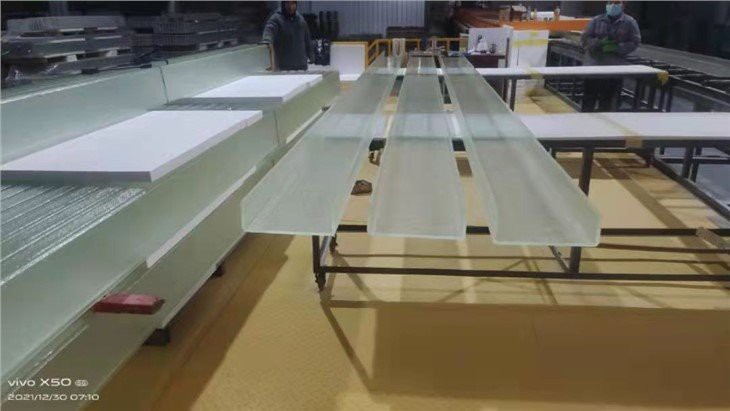
First off, let's talk a bit about what U shaped glass panels are. They're these unique glass panels that have a U - shaped cross - section. This shape gives them some great structural properties, making them a popular choice for partitions, curtain walls, and all sorts of architectural applications. You can check out some of our products like U-channel Glass for Partitions, 7mm U Profile Glass for Curtain Wall, and Low Iron Ultra Clear Bent Shape U Profile Glass.
Now, onto the acoustics. Sound in a room is all about how it travels, reflects, and gets absorbed. When it comes to U shaped glass panels, they can have a pretty significant impact on each of these aspects.
Sound Reflection
U shaped glass panels are made of glass, which is a hard and smooth material. Hard materials are known for reflecting sound rather than absorbing it. When sound waves hit a U shaped glass panel, a large portion of them bounce off the surface. This can be both good and bad, depending on the situation.
In some cases, sound reflection can be useful. For example, in a concert hall or a theater, a certain amount of sound reflection helps to fill the space with sound. The reflected sound waves can reach different parts of the room, creating a more immersive audio experience. If you use U shaped glass panels strategically in such spaces, you can enhance the overall acoustics by directing the sound where it needs to go.
However, in other settings like offices or classrooms, too much sound reflection can be a problem. It can lead to echoes and reverberation, which make it difficult to understand speech and can be quite distracting. If you have a lot of U shaped glass panels in an open - plan office, for instance, the constant bouncing of sound waves can create a noisy and chaotic environment.
Sound Absorption
While glass isn't a great sound absorber on its own, the way U shaped glass panels are installed can make a difference. If the panels are installed with some sort of backing material or insulation, it can increase the sound absorption. For example, if you put a layer of acoustic insulation behind the U shaped glass panels, it can help to trap some of the sound waves and prevent them from bouncing back into the room.
The U shape of the panels also plays a role. The cavity within the U shape can act as a sort of buffer zone. Some of the sound waves that enter the cavity can get trapped and lose energy as they bounce around inside. This is similar to how a Helmholtz resonator works, where a cavity is used to absorb specific frequencies of sound.
Sound Transmission
Another important aspect of room acoustics is sound transmission. This refers to how well sound can pass through the U shaped glass panels from one room to another. The thickness and type of glass used in the panels are key factors here.
Thicker U shaped glass panels generally offer better sound insulation than thinner ones. A 7mm U Profile Glass for Curtain Wall, for example, will block more sound than a thinner panel. The type of glass also matters. Low - iron ultra - clear glass, which is often used in U shaped glass panels, has different acoustic properties compared to regular glass. It can be engineered to have better soundproofing capabilities.
If you're using U shaped glass panels as partitions between rooms, you want to make sure they can effectively reduce the amount of sound that travels through. In a hotel, for example, you don't want guests in one room to be able to hear everything going on in the next room. By choosing the right U shaped glass panels, you can create a more private and quiet environment.
Real - World Applications
Let's take a look at some real - world examples of how U shaped glass panels affect room acoustics.
In a modern office building, U shaped glass panels are often used to create a sense of openness and transparency. But as I mentioned earlier, without proper acoustic treatment, they can cause problems. To combat this, some architects use a combination of U shaped glass panels with acoustic ceiling tiles and wall coverings. This helps to balance the sound reflection and absorption in the room, creating a more comfortable working environment.
In a residential setting, U shaped glass panels can be used in a sunroom or a conservatory. Here, the goal might be to let in a lot of natural light while still having some level of sound insulation from the outside. By using thicker glass and adding insulation, you can enjoy the view and the sunlight without being bothered by the noise from the street.
Factors to Consider When Using U Shaped Glass Panels for Acoustics
If you're thinking about using U shaped glass panels in a project and want to optimize the acoustics, there are a few things to keep in mind.
- Panel Thickness: As I said before, thicker panels generally offer better sound insulation. So, depending on the level of soundproofing you need, choose the appropriate thickness.
- Installation Method: How the panels are installed can affect the acoustics. Make sure they are properly sealed to prevent sound leakage around the edges.
- Backing Materials: Adding acoustic insulation or other backing materials can significantly improve the sound absorption and insulation properties of the U shaped glass panels.
- Room Layout: Consider the overall layout of the room. Where you place the U shaped glass panels can have a big impact on how sound travels and reflects.
Conclusion
So, as you can see, U shaped glass panels can have a complex and varied impact on the acoustics of a room. They can be a great addition to a space, but you need to be aware of their acoustic properties and take steps to optimize them.

Whether you're an architect, a builder, or someone looking to renovate your home, understanding how U shaped glass panels work in terms of acoustics is crucial. And if you're in the market for high - quality U shaped glass panels, we're here to help. We can provide you with the right products and advice to ensure that your project has the best possible acoustics. If you're interested in learning more or starting a procurement discussion, don't hesitate to reach out. We're always happy to talk about how our U shaped glass panels can meet your needs.
References
- Beranek, Leo L. "Acoustics." American Institute of Physics, 1954.
- Harris, Cyril M. "Handbook of Noise Control." McGraw - Hill, 1979.
- Kinsler, Lawrence E., et al. "Fundamentals of Acoustics." Wiley, 2000.