

Can Wired U Profile Glass be used in hot climates?
As a supplier of Wired U Profile Glass, I often get asked whether our product is suitable for use in hot climates. This is a crucial question, especially considering the unique environmental conditions and specific requirements that come with regions experiencing high temperatures. In this blog, I'll delve into the properties of Wired U Profile Glass and explore its viability in hot - climate settings.
Understanding Wired U Profile Glass
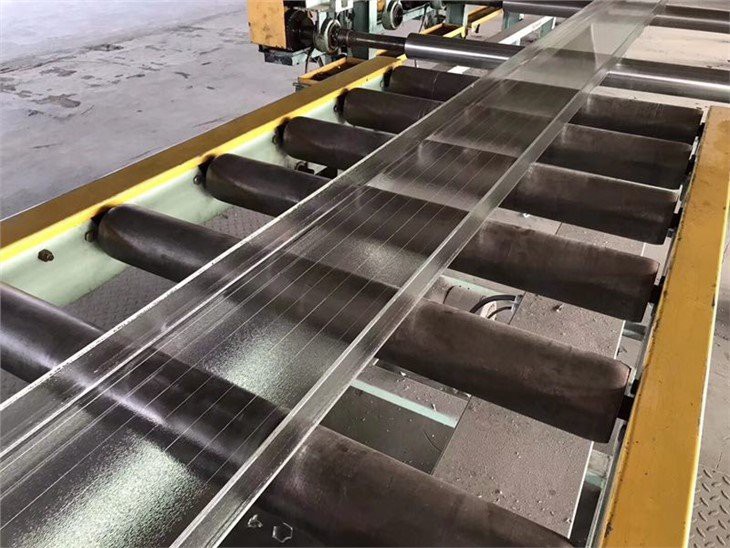
Wired U Profile Glass, also known as Wired U Glass, Wired Channel Glass, and Wired U Shape Glass, is a specialized type of glass with a distinct U - shaped cross - section. The embedded wire mesh within the glass provides it with enhanced strength and safety features. It is commonly used in architectural applications, such as partitions, facades, and interior design elements.
Thermal Properties
One of the primary concerns when using glass in hot climates is its ability to manage heat. Wired U Profile Glass has certain thermal characteristics that influence its performance.
The glass itself has a relatively low thermal conductivity compared to some other building materials. However, in hot climates, direct sunlight can cause the glass to absorb a significant amount of solar radiation. The wire mesh in the Wired U Profile Glass can act as a conductor to some extent, potentially transferring heat from the outer surface of the glass to the interior.
On the positive side, the U - shaped profile can create an air cavity within the glass structure. This air cavity acts as an insulator, reducing the rate of heat transfer through the glass. The trapped air has a lower thermal conductivity than the glass, which helps to keep the interior cooler. Additionally, the wire mesh can also provide some level of shading, blocking a portion of the direct sunlight and reducing the amount of solar heat gain.
Durability in High Temperatures
Hot climates often come with high levels of solar radiation, which can cause materials to degrade over time. Wired U Profile Glass is designed to be durable under such conditions. The wire mesh reinforces the glass, making it more resistant to thermal stress. When the glass is exposed to rapid temperature changes, which are common in hot - climate regions (such as the difference between day and night temperatures), the wire mesh helps to prevent the glass from cracking or shattering.
The glass is also resistant to UV radiation. Prolonged exposure to UV rays can cause discoloration and weakening of some materials, but Wired U Profile Glass maintains its structural integrity and appearance over time. This is important for maintaining the aesthetic appeal of buildings in hot - climate areas, where the glass may be constantly exposed to sunlight.
Energy Efficiency
In hot climates, energy efficiency is a top priority. Buildings need to minimize the amount of heat entering the interior to reduce the reliance on air - conditioning systems. Wired U Profile Glass can contribute to energy efficiency in several ways.
As mentioned earlier, the air cavity within the U - shaped profile acts as an insulator. This reduces the heat transfer rate, which means that less energy is required to cool the interior of the building. The shading effect of the wire mesh also helps to reduce the solar heat gain, further decreasing the energy demand for cooling.
Moreover, the durability of Wired U Profile Glass means that it doesn't need to be replaced frequently. This reduces the overall energy consumption associated with the production and installation of new building materials.
Design Considerations for Hot Climates
When using Wired U Profile Glass in hot - climate regions, proper design is essential to maximize its performance.
Orientation
The orientation of the glass installation plays a crucial role. In hot climates, it is advisable to minimize the exposure of the glass to direct sunlight during the hottest parts of the day. For example, if possible, the glass should be installed on the north - facing side of the building in the northern hemisphere or the south - facing side in the southern hemisphere. This reduces the amount of solar radiation that the glass absorbs, thereby reducing the heat transfer to the interior.
Additional Shading Devices
Although the wire mesh in Wired U Profile Glass provides some shading, additional shading devices can be used to further enhance its performance. External shading elements such as awnings, louvers, or overhangs can be installed above or beside the glass. These devices block a significant portion of the direct sunlight, reducing the solar heat gain and protecting the glass from excessive heat.
Ventilation
Proper ventilation is also important when using glass in hot climates. If the glass is part of a building facade, incorporating ventilation systems can help to remove the hot air that accumulates near the glass surface. This not only improves the comfort of the interior but also reduces the thermal stress on the glass.
Case Studies
There have been several successful applications of Wired U Profile Glass in hot - climate regions. For example, in a commercial building in a desert city, Wired U Profile Glass was used for the facade. The building's architects carefully considered the orientation of the glass, installing it on the side of the building that received the least amount of direct sunlight. They also added external louvers for additional shading.
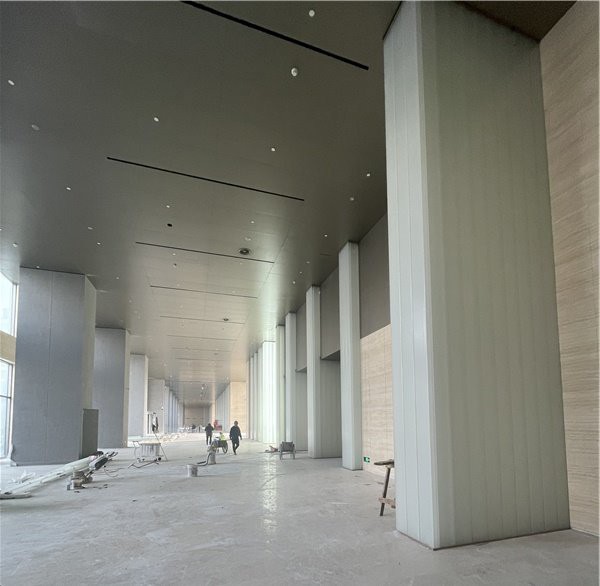
The result was a building that maintained a comfortable interior temperature with relatively low energy consumption. The Wired U Profile Glass provided the necessary natural light while effectively reducing the heat transfer. The durability of the glass also ensured that it remained in good condition despite the harsh desert environment.
Conclusion
In conclusion, Wired U Profile Glass can indeed be used in hot climates. Its thermal properties, durability, and energy - efficiency features make it a viable option for building applications in these regions. However, proper design and installation are crucial to ensure its optimal performance. By considering factors such as orientation, additional shading devices, and ventilation, architects and building owners can take full advantage of the benefits that Wired U Profile Glass offers.
If you're interested in using Wired U Profile Glass for your project in a hot - climate area, I encourage you to reach out to discuss your specific requirements. We can work together to design a solution that meets your needs and ensures the long - term success of your building.
References
- "Building Materials in Hot Climates: A Comprehensive Guide", published by the International Building Materials Association.
- "Thermal Performance of Glass in Architectural Applications", Journal of Building Science, Vol. 25, Issue 3.
- Case study reports from commercial buildings in hot - climate regions using Wired U Profile Glass.