

Can U Shaped Profile Glass be used in historical building restorations?
Can U Shaped Profile Glass be used in historical building restorations?
Hey there! I'm a supplier of U Shaped Profile Glass, and I get this question a lot: "Can U Shaped Profile Glass be used in historical building restorations?" Well, let's dive right in and explore this topic.
First off, what exactly is U Shaped Profile Glass? It's a type of glass that has a distinct U - shaped cross - section. You can find different variations like U Shaped Glass Panels, Clear Patterned U Channel Glass, and Low Iron C Glass. These glasses have unique properties that make them stand out from regular flat glass.

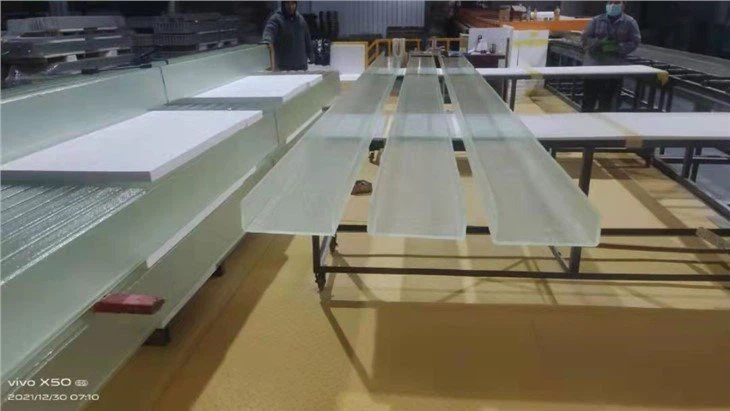
So, can it be used in historical building restorations? The short answer is yes, but it comes with a few things to consider.
Advantages of Using U Shaped Profile Glass in Historical Building Restorations
1. Structural Integrity
One of the major perks of U Shaped Profile Glass is its unmatched structural integrity. Historical buildings often require reinforcement of their existing structures, and this glass can step in as a hero. Its U - shaped design automatically provides it with high rigidity. This means that when incorporated into a building's facade or interior partitions, it can handle a significant amount of weight and stress. For instance, in old warehouses or factories that are being restored, the glass can be used to create large - span partition walls without the need for excessive supports. This not only modernizes the interior space but also enhances the overall structural stability of the building.
2. Light Transmission and Diffusion
Historical buildings are often rich in character, and natural light plays a crucial role in showcasing that. U Shaped Profile Glass offers excellent light transmission. The glass allows a substantial amount of sunlight to penetrate the building, brightening up even the darkest corners. At the same time, it diffuses the light, reducing glare. This is a huge advantage in historical museums or galleries. The diffused light helps in properly illuminating artworks and artifacts without causing any damage due to direct sunlight or harsh glares. It creates a soft, even lighting environment that enhances the viewing experience.
3. Aesthetic Appeal
Let's talk about looks. U Shaped Profile Glass brings a contemporary edge to historical buildings. It has a sleek and minimalist appearance that can complement the existing architectural features. Imagine a centuries - old stone building with a modern U Shaped Profile Glass entrance. It creates a beautiful contrast between the old and the new, making the building more visually interesting. The glass also comes in various finishes and patterns. For example, the Clear Patterned U Channel Glass can add an extra layer of visual appeal, giving the building a unique and stylish look.
4. Energy Efficiency
In today's world, energy efficiency is a must. U Shaped Profile Glass can contribute to the energy efficiency of historical buildings. It can act as an insulator, reducing heat loss in the winter and heat gain in the summer. This is especially important in older buildings that may not have the best insulation. By using this glass, building owners can save on energy costs and also reduce their carbon footprint. This is a win - win situation for both the environment and the building's long - term sustainability.
Challenges and Considerations
1. Compatibility with Historical Aesthetics
While U Shaped Profile Glass can add a modern touch, it's essential to ensure that it doesn't clash with the historical aesthetics of the building. Historical buildings have their own unique styles, whether it's Victorian, Gothic, or Colonial. The glass should be carefully selected and installed in a way that it blends in with the existing architecture. For example, if the building has a lot of ornate details, the glass should not be too flashy or over - modern. It might be necessary to choose a more subdued finish or a pattern that mimics the traditional elements of the building.
2. Preservation Regulations
Historical building restorations are often subject to strict preservation regulations. These regulations are in place to protect the historical and cultural value of the buildings. Before using U Shaped Profile Glass, it's crucial to check with the local preservation authorities. They may have specific requirements regarding the type of materials that can be used, the installation methods, and the overall impact on the building's historical integrity. Failure to comply with these regulations can result in costly fines or even the requirement to remove the glass.
3. Installation Complexity
Installing U Shaped Profile Glass is not as straightforward as installing regular flat glass. It requires specialized skills and equipment. The U - shaped design means that the glass needs to be handled carefully to avoid breakage during installation. Additionally, the installation process needs to be precise to ensure a proper fit and seal. In historical buildings, where the existing structures may be irregular or damaged, the installation can be even more challenging. It's important to hire experienced contractors who have worked with this type of glass and understand the unique requirements of historical building restorations.
Real - World Examples
There are several successful examples of using U Shaped Profile Glass in historical building restorations. In some European cities, old churches have incorporated U Shaped Profile Glass in their side chapels. The glass allows natural light to flood the chapels, creating a serene and spiritual atmosphere. At the same time, the modern look of the glass doesn't overshadow the historical grandeur of the church.
In the United States, some industrial heritage buildings have been transformed into trendy offices using U Shaped Profile Glass. The glass partitions provide an open and airy feel to the workspace while maintaining the industrial charm of the original building.
Conclusion
So, to sum it up, U Shaped Profile Glass can definitely be used in historical building restorations, but it's a decision that needs to be made carefully. The advantages in terms of structural integrity, light transmission, aesthetic appeal, and energy efficiency are significant. However, the challenges related to compatibility with historical aesthetics, preservation regulations, and installation complexity cannot be ignored.
If you're involved in a historical building restoration project and are considering using U Shaped Profile Glass, I'd love to have a chat with you. We can discuss your specific needs, the best type of glass for your project, and how to overcome any potential challenges. Feel free to reach out to start the conversation about your procurement needs.
References
- Architectural Glass Association Reports
- Case studies on historical building restorations
- Industry research on U Shaped Profile Glass applications