

Can Low Iron U Profile Glass be recycled?
Can Low Iron U Profile Glass be recycled?
As a supplier of Low Iron U Profile Glass, I often encounter questions from customers regarding the recyclability of our products. This topic is not only crucial for environmental sustainability but also for the long - term viability of our industry. In this blog, I will delve into the science behind the recycling of Low Iron U Profile Glass and explore its practical implications.
What is Low Iron U Profile Glass?
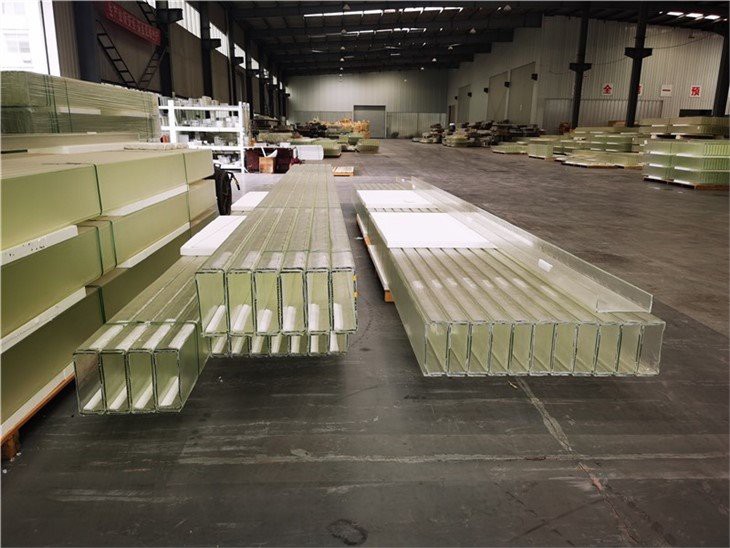
Low Iron U Profile Glass is a specialized type of glass known for its unique U - shaped cross - section. It is made from low - iron content materials, which gives it exceptional clarity and transparency. This type of glass is highly sought after in architectural and interior design applications due to its aesthetic appeal and structural strength. You can learn more about different variants of this glass, such as Low Iron U Channel Glass, Low - E U - shaped Glass, and Low Iron Ultra Clear Bent Shape U Profile Glass.
The Science of Glass Recycling
Glass is one of the most recyclable materials on the planet. The basic principle of glass recycling involves collecting used glass, sorting it by color and type, crushing it into cullet (small pieces of glass), and then melting it down to make new glass products. The melting process for glass typically occurs at high temperatures, usually around 1400 - 1600 degrees Celsius.
Low Iron U Profile Glass, like other types of glass, can be recycled because its chemical composition is mainly silica (SiO₂), along with small amounts of other oxides such as sodium oxide (Na₂O) and calcium oxide (CaO). These components are stable and can be re - used in the glass - making process. When recycled, the cullet from Low Iron U Profile Glass can replace a significant portion of the raw materials used in new glass production, reducing the need for virgin materials and energy consumption.
Challenges in Recycling Low Iron U Profile Glass
While the theoretical potential for recycling Low Iron U Profile Glass is high, there are several practical challenges that need to be addressed.
One of the main challenges is the collection and sorting process. Low Iron U Profile Glass is often used in specialized applications, which means it may not be as widely distributed as common glass products like bottles and jars. This makes it more difficult to collect in large quantities. Additionally, the unique U - shaped profile of the glass can make it more challenging to sort and process compared to flat or standard - shaped glass.
Another challenge is the presence of coatings and laminates. Some Low Iron U Profile Glass products may have low - emissivity (Low - E) coatings or other laminates for enhanced performance. These coatings and laminates need to be removed before the glass can be recycled effectively, as they can contaminate the cullet and affect the quality of the new glass.
Overcoming the Challenges
To overcome the challenges in recycling Low Iron U Profile Glass, several strategies can be employed.
On the collection side, partnerships with construction and demolition companies can be established. Since Low Iron U Profile Glass is commonly used in building projects, these companies can play a crucial role in collecting the used glass at the end of a building's life cycle. Recycling facilities can also invest in advanced sorting technologies, such as optical sorting machines, to handle the unique shape and characteristics of Low Iron U Profile Glass.
Regarding the removal of coatings and laminates, chemical and mechanical processes can be used. Chemical processes involve using solvents to dissolve the coatings, while mechanical processes use abrasion or grinding to remove them. However, these processes need to be carefully controlled to ensure that the glass is not damaged in the process.
The Environmental Benefits of Recycling Low Iron U Profile Glass
Recycling Low Iron U Profile Glass offers significant environmental benefits. By using recycled cullet instead of virgin materials, the energy consumption in glass production can be reduced by up to 30%. This reduction in energy consumption leads to a decrease in greenhouse gas emissions, contributing to the fight against climate change.
In addition, recycling glass helps to conserve natural resources. The production of glass from virgin materials requires large amounts of sand, soda ash, and limestone. By recycling Low Iron U Profile Glass, we can reduce the demand for these non - renewable resources and preserve the environment.
The Economic Benefits
From an economic perspective, recycling Low Iron U Profile Glass can also be advantageous. The use of recycled cullet can lower the production costs of new glass products, as recycled materials are often cheaper than virgin materials. This can make the final glass products more competitive in the market.
Moreover, the development of a robust recycling infrastructure for Low Iron U Profile Glass can create jobs in the recycling and waste management sectors. These jobs range from collection and sorting to processing and manufacturing, contributing to the local and national economy.
The Future of Recycling Low Iron U Profile Glass
The future of recycling Low Iron U Profile Glass looks promising. As the demand for sustainable building materials continues to grow, there will be an increasing focus on improving the recycling processes for specialized glass products.
Advancements in technology are likely to play a key role in the future of glass recycling. For example, new sorting technologies may be developed to handle the unique shape and characteristics of Low Iron U Profile Glass more efficiently. Additionally, research is being conducted on more environmentally friendly methods for removing coatings and laminates.

Conclusion
In conclusion, Low Iron U Profile Glass can be recycled, although there are some practical challenges that need to be overcome. By addressing these challenges through innovative collection, sorting, and processing methods, we can unlock the full potential of recycling this specialized glass.
The environmental and economic benefits of recycling Low Iron U Profile Glass are significant, making it a worthwhile endeavor for both the glass industry and the broader community. As a supplier of Low Iron U Profile Glass, I am committed to promoting sustainable practices and working towards a more circular economy.
If you are interested in purchasing Low Iron U Profile Glass or have any questions about its recycling potential, please feel free to contact us for further discussion and procurement negotiations.
References
- Glass Packaging Institute. (2023). The Benefits of Glass Recycling.
- International Journal of Recycling of Materials. (2022). Challenges and Solutions in Recycling Specialized Glass Products.
- Construction and Demolition Recycling Association. (2021). Best Practices for Recycling Building Materials.