

Can Forsted U Profile Glass be used in airports?
In the realm of modern architecture, the choice of building materials plays a pivotal role in shaping the functionality, aesthetics, and safety of a structure. One such material that has been gaining traction in recent years is Frosted U Profile Glass. As a supplier of this innovative glass product, I am often asked whether Frosted U Profile Glass can be used in airports. In this blog post, I will explore the various aspects of Frosted U Profile Glass and its suitability for airport applications.
Understanding Frosted U Profile Glass
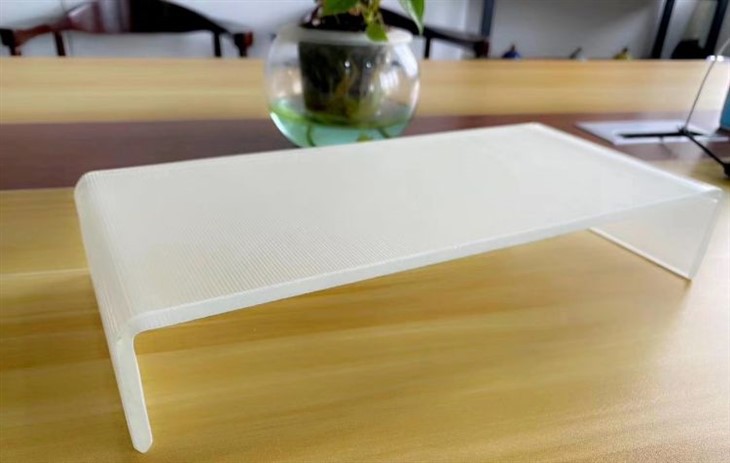
Frosted U Profile Glass, also known as Frosted U Channel Glass, is a type of architectural glass that features a U-shaped profile. This unique design provides several advantages over traditional flat glass, including increased strength, rigidity, and insulation properties. The frosted finish on the glass adds an extra layer of privacy while still allowing diffused light to pass through, creating a soft and inviting atmosphere.
There are different types of Frosted U Profile Glass, such as Sandblasted U Profile Glass and Frosted Channel Glass. Sandblasted U Profile Glass is created by using a high-pressure stream of sand to etch the surface of the glass, resulting in a rough and opaque finish. Frosted Channel Glass, on the other hand, is typically achieved through a chemical process that creates a smooth and translucent surface.
Advantages of Using Frosted U Profile Glass in Airports
Aesthetics
Airports are large public spaces that require a balance between functionality and aesthetics. Frosted U Profile Glass offers a modern and elegant look that can enhance the overall design of an airport terminal. The diffused light passing through the frosted glass creates a warm and welcoming environment, which is particularly important for passengers who may be tired or stressed after a long flight. The U-shaped profile of the glass also adds a unique architectural element, making the airport stand out from other buildings.

Privacy
In an airport setting, privacy is often a concern, especially in areas such as lounges, offices, and security checkpoints. Frosted U Profile Glass provides an effective solution by allowing natural light to enter the space while obscuring the view from the outside. This helps to create a more private and comfortable environment for passengers and airport staff.
Safety and Security
Airports have strict safety and security requirements, and Frosted U Profile Glass can meet these standards. The glass is typically made from tempered or laminated glass, which is stronger and more resistant to breakage than regular glass. In the event of an impact, tempered glass will break into small, rounded pieces, reducing the risk of injury. Laminated glass, on the other hand, consists of multiple layers of glass bonded together with a plastic interlayer, which holds the glass in place even when it is shattered, providing an additional level of security.
Energy Efficiency
Energy efficiency is becoming increasingly important in the construction of airports. Frosted U Profile Glass has excellent insulation properties, which can help to reduce the amount of energy required to heat and cool the building. The U-shaped profile of the glass creates a cavity that acts as an insulator, preventing heat transfer between the inside and outside of the building. This can result in significant energy savings over the life of the airport.
Durability
Airports are high-traffic areas that are subject to a lot of wear and tear. Frosted U Profile Glass is a durable material that can withstand the rigors of daily use. The glass is resistant to scratches, stains, and weathering, making it a long-lasting and low-maintenance option for airport applications.
Challenges and Considerations
While Frosted U Profile Glass offers many advantages for airport applications, there are also some challenges and considerations that need to be taken into account.
Cost
Frosted U Profile Glass is generally more expensive than traditional flat glass. The cost of the glass itself, as well as the installation and maintenance costs, can be a significant factor in the decision-making process. However, it is important to consider the long-term benefits of using Frosted U Profile Glass, such as energy savings and durability, which can offset the initial investment.
Installation
The installation of Frosted U Profile Glass requires specialized skills and equipment. The glass panels need to be carefully measured, cut, and installed to ensure a proper fit and seal. Any mistakes during the installation process can compromise the performance and safety of the glass. It is important to hire a qualified and experienced contractor who has experience working with Frosted U Profile Glass.
Cleaning and Maintenance
Although Frosted U Profile Glass is relatively low-maintenance, it still requires regular cleaning to keep it looking its best. The frosted surface of the glass can attract dirt and fingerprints, which can be difficult to remove. Special cleaning products and techniques may be required to clean the glass without damaging the frosted finish.
Case Studies
There are several examples of airports around the world that have successfully used Frosted U Profile Glass in their construction. One such example is the Terminal 3 at Changi Airport in Singapore. The terminal features large areas of Frosted U Profile Glass, which not only provide a modern and elegant look but also help to create a comfortable and energy-efficient environment for passengers.
Another example is the Denver International Airport in the United States. The airport uses Frosted U Profile Glass in its concourses and lounges, providing privacy and natural light while enhancing the overall aesthetics of the space.
Conclusion
In conclusion, Frosted U Profile Glass can be a suitable material for use in airports. Its unique combination of aesthetics, privacy, safety, energy efficiency, and durability make it an attractive option for airport designers and operators. While there are some challenges and considerations to be aware of, such as cost, installation, and maintenance, the benefits of using Frosted U Profile Glass outweigh the drawbacks.
If you are considering using Frosted U Profile Glass in your airport project, I encourage you to contact me to discuss your specific requirements. As a supplier of Frosted U Profile Glass, I have the expertise and experience to help you select the right glass product for your needs and ensure a successful installation.
References
- Architectural Glass Association. (Year). Guide to Architectural Glass.
- International Airport Terminal Design Handbook. (Year). Wiley.
- Glass Manufacturer's Technical Data Sheets.